Why replacing Pep at Man City could be a near-impossible job
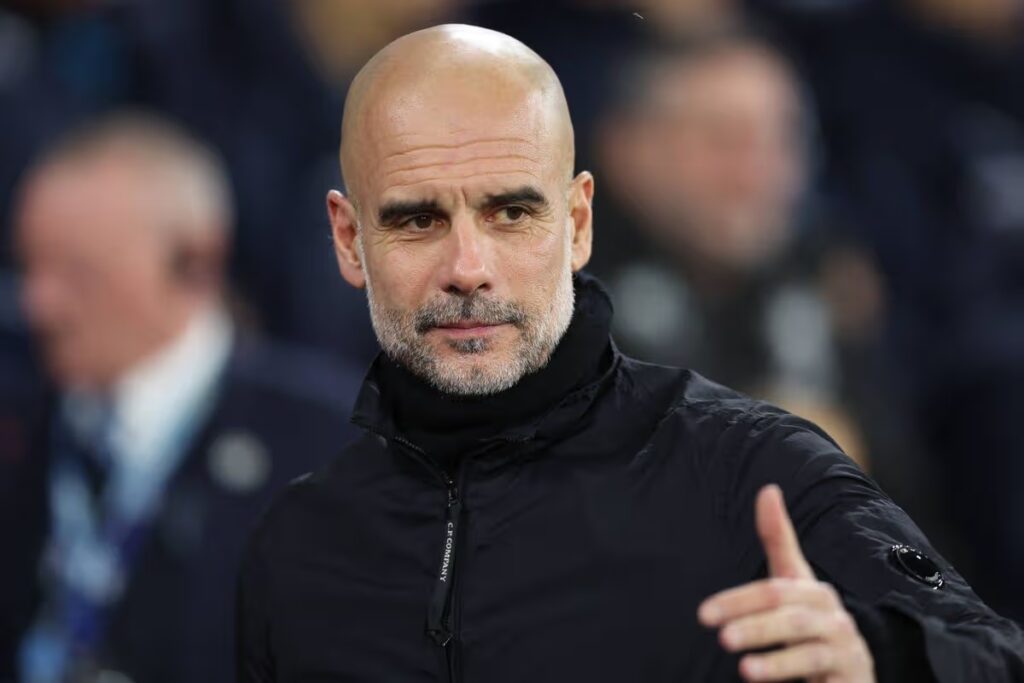

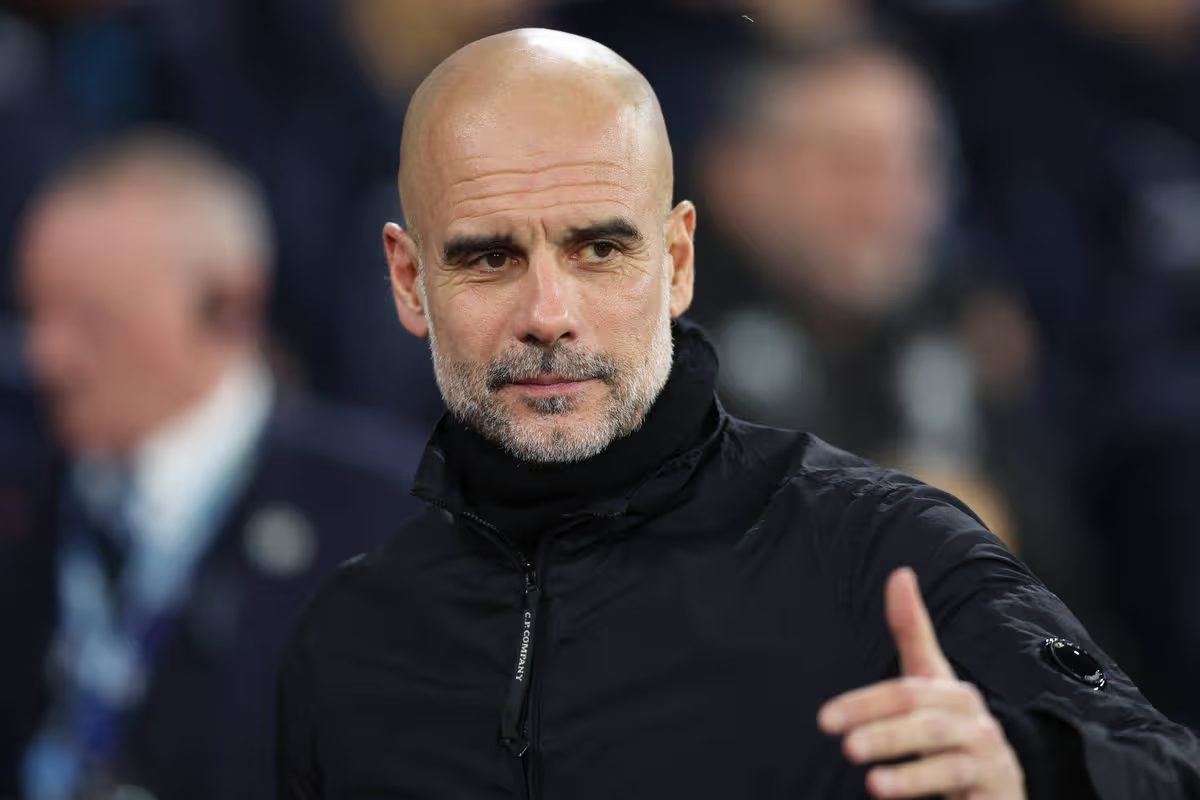
Pep Guardiola’s remarkable longevity at Manchester City is something the club’s board and supporters have every reason to cherish.
After spending four seasons at Barcelona, Guardiola took a year-long sabbatical before moving to Bayern Munich, where he remained for just three seasons. Given that history, City can consider themselves fortunate that he has stayed at the Etihad for so long. If he does eventually decide to move on, few will question his reasons.
Echoes of Sir Alex Ferguson’s Departure
There are clear parallels between Guardiola’s eventual exit and the end of Sir Alex Ferguson’s era at Manchester United.
Both are serial winners whose influence extends far beyond the pitch. Each shaped every aspect of their club, from recruitment and training methods to culture and mentality, leaving nothing to chance in the pursuit of excellence.
Like Ferguson before him, Guardiola will be an extraordinarily difficult figure to replace. United’s struggles since 2013 — under managers including David Moyes, Louis van Gaal, José Mourinho, Ole Gunnar Solskjær, Ralf Rangnick, Erik ten Hag and Ruben Amorim — serve as a stark warning of what can happen when a dominant leader departs.
Guardiola’s Extraordinary Record
Guardiola’s achievements at City underline just how high the bar has been set.
He recently celebrated his 400th victory in all competitions after a 2-0 Champions League win over Galatasaray, reaching the milestone faster than any manager in English top-flight history. It took him just 569 matches to do so, compared to 696 for Arsène Wenger and 732 for Ferguson.
That victory also saw him surpass legendary City manager Les McDowall by 180 wins and marked his 117th Champions League triumph — only seven short of Carlo Ancelotti’s all-time record.
Across his City career, Guardiola has failed to defeat only a handful of opponents, including Al Hilal, Wigan Athletic, Lyon, Bodø/Glimt, Bayer Leverkusen and Celtic — a remarkable statistic in itself.
A Trophy-Laden Career
Since beginning his managerial journey with Barcelona B, Guardiola has collected 40 major trophies, setting a benchmark few coaches in modern football can match.
Beyond silverware, he has reshaped footballing philosophy in La Liga, the Bundesliga and the Premier League, influencing countless coaches and redefining tactical standards.
Potential Successors
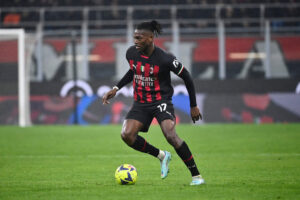
Three names have emerged as early candidates to succeed Guardiola: Xabi Alonso, Enzo Maresca and Cesc Fàbregas.
Maresca worked closely with Guardiola as part of City’s coaching staff and understands the club’s structure and long-term vision. Currently unattached, he represents a logical internal-style option.
Alonso, who played under Guardiola at Bayern Munich, has enjoyed managerial success in Germany and remains highly regarded. However, he could yet return to Liverpool if circumstances change under Arne Slot.
Fàbregas has impressed at Como, guiding them to sixth place in Serie A and within touching distance of the Champions League places. It is understood he would only consider leaving for a major European opportunity.
All three share Guardiola’s footballing philosophy and have personal or professional links to him.
The Weight of Comparison
Yet, despite their credentials, none of them is Pep Guardiola.
That, ultimately, may be the greatest challenge for City.
Manchester United’s post-Ferguson era shows how damaging constant comparison with a legendary predecessor can be. More than a decade after his retirement, Ferguson’s shadow still looms large at Old Trafford, influencing expectations and narratives around every new appointment.
It has become a burden that few successors have managed to escape.
A Critical Decision Ahead
If Manchester City are to avoid a similar fate, they must approach Guardiola’s eventual replacement with caution and clarity.
Choosing the right successor will be only the first step. Equally important will be protecting that individual from being labelled “the new Pep” and judged solely against an almost impossible standard.
Success, in this context, may not mean immediate domination, but stability, identity and gradual evolution.
Only by resisting nostalgia and unrealistic expectations can City hope to thrive in a post-Guardiola era.
Share this content: