Rising power in the FIFA World Cup
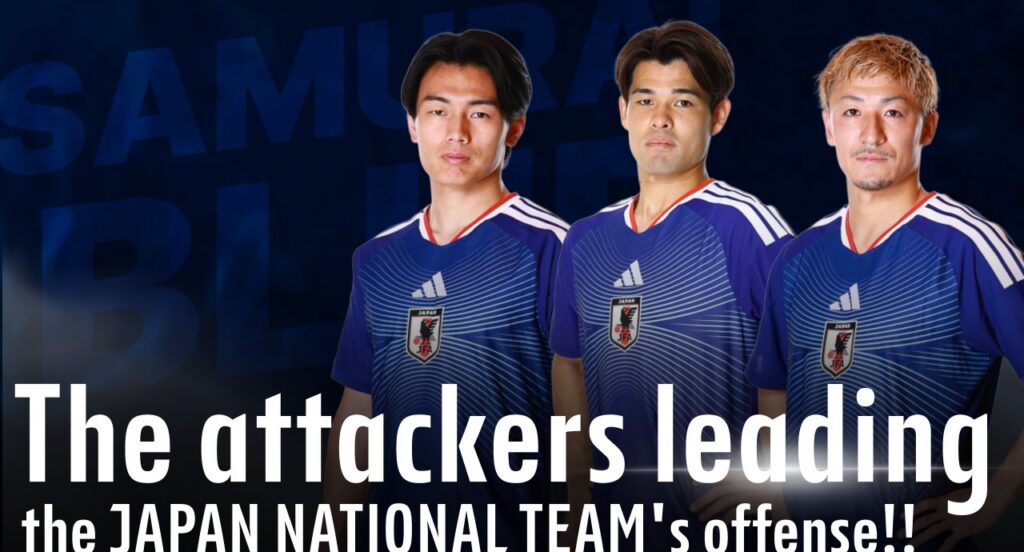

The Japan National Football Team, widely known as the “Samurai Blue”, has become one of the strongest and most consistent football nations in Asia. Over the past three decades, Japan has transformed from a developing football country into a respected force on the global stage. With technically gifted players, disciplined tactics and growing international experience, Japan now enters every FIFA World Cup with genuine ambition.
Japan’s History in the FIFA World Cup
Japan made its FIFA World Cup debut at the 1998 tournament in France. Although they failed to progress beyond the group stage, qualifying for the competition marked the beginning of a new era for Japanese football. Since then, Japan has qualified for every World Cup, making the 2026 tournament their eighth consecutive appearance.
One of the biggest moments in Japanese football history came at the 2002 FIFA World Cup, which Japan co-hosted with South Korea. Playing in front of passionate home crowds, Japan reached the Round of 16 for the first time before being eliminated by Turkey. They repeated this achievement in 2010, 2018 and 2022, proving their consistency at the highest level.
At the 2018 World Cup in Russia, Japan nearly stunned Belgium in the Round of 16 after taking a 2–0 lead before eventually losing 3–2 in dramatic fashion. Four years later in Qatar, Japan shocked the football world by defeating both Germany and Spain in the group stage. Despite losing to Croatia on penalties in the knockout stage, the Samurai Blue earned widespread praise for their fearless and organised performances.
Japan’s World Cup record continues to improve, and many football experts now consider them one of the most dangerous teams outside Europe and South America.
How Japan Qualified for the 2026 FIFA World Cup
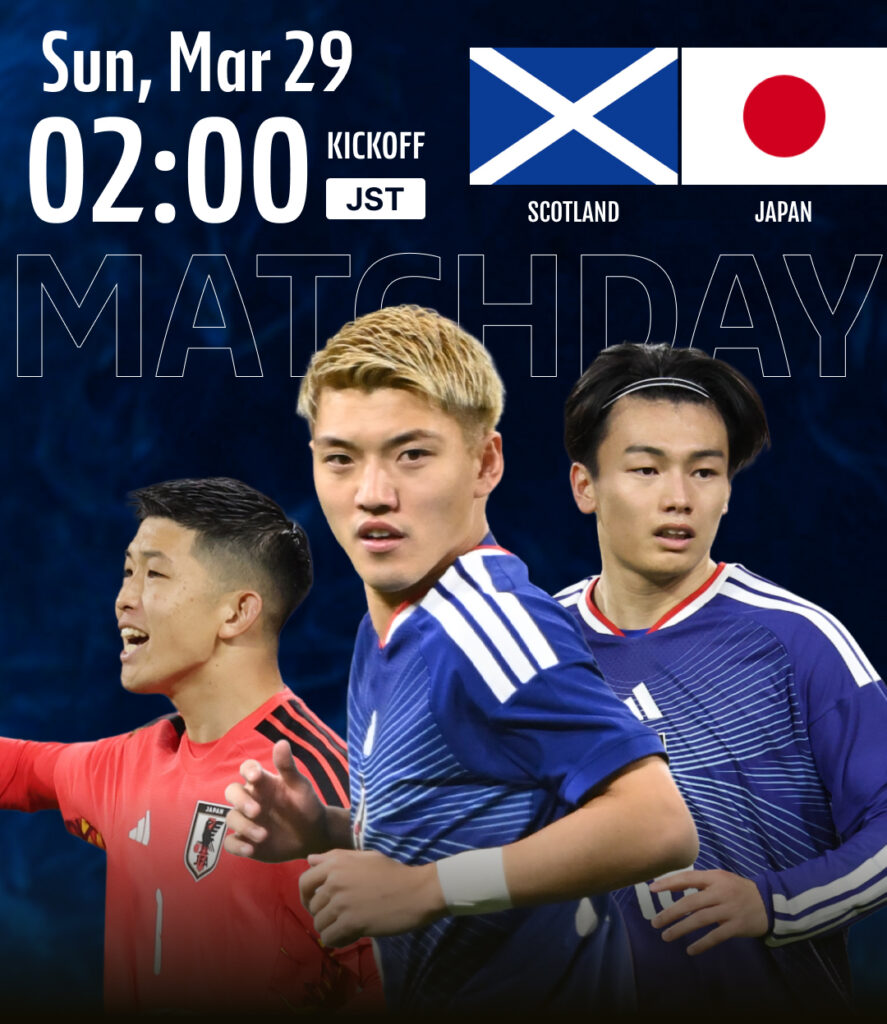
Japan became the first non-host nation to qualify for the 2026 FIFA World Cup, highlighting their dominance in Asian football. Under manager Hajime Moriyasu, Japan comfortably progressed through the AFC qualification rounds.
In the second round of qualification, Japan won all six matches against North Korea, Syria and Myanmar, scoring 24 goals without conceding once. They continued their impressive form in the third round by defeating strong opponents such as Bahrain, Saudi Arabia and China. A crucial 2–0 victory over Bahrain in March 2025 officially secured their place at the tournament.
The qualification campaign demonstrated Japan’s balance between attacking quality and defensive discipline. They scored freely while maintaining one of the best defensive records in Asian qualifying.
Current Best Players in the Japan Squad
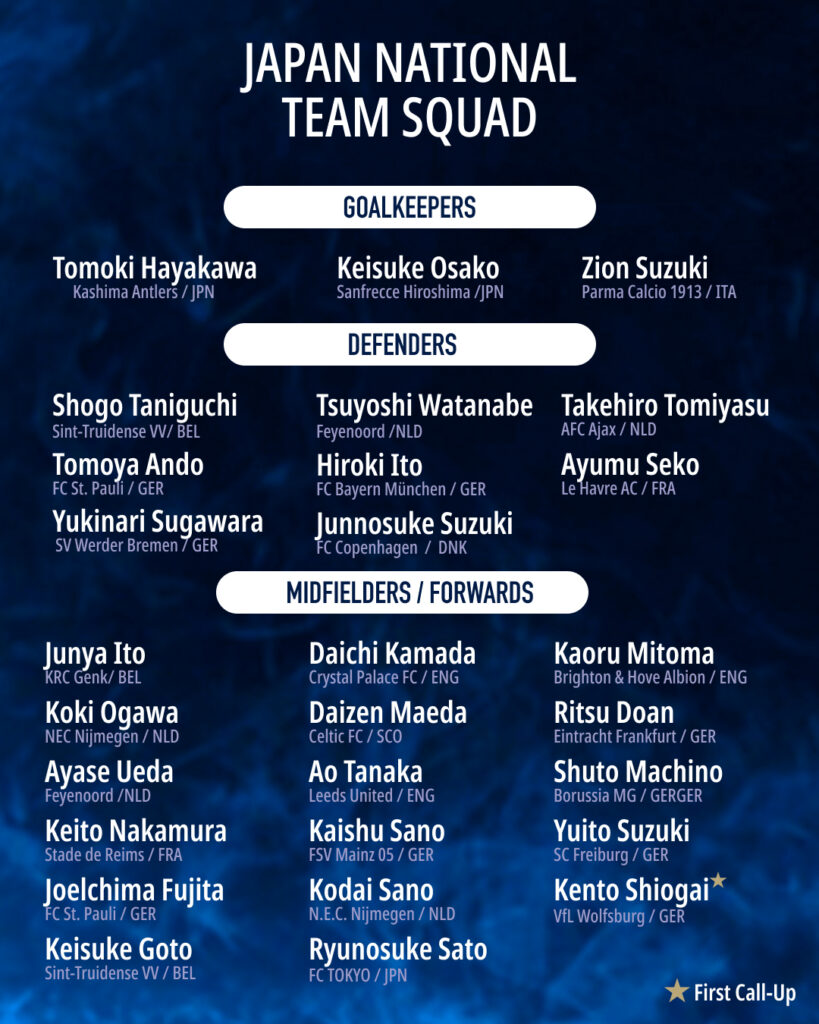
Japan now possesses one of the most talented squads in its history, with many players competing in Europe’s top leagues.
Kaoru Mitoma
Kaoru Mitoma is regarded as one of Japan’s most exciting attacking players. Known for his dribbling, pace and creativity, Mitoma has become a key figure for both club and country. His ability to beat defenders in one-on-one situations makes him a major threat on the wing.
Takefusa Kubo
Takefusa Kubo is often described as the future superstar of Japanese football. The technically gifted playmaker combines vision, quick feet and intelligent movement. Kubo played a decisive role during Japan’s successful World Cup qualification campaign and continues to develop into one of Asia’s elite footballers.
Wataru Endo
Captain Wataru Endo provides leadership, experience and defensive stability in midfield. His work rate and tactical awareness allow Japan to remain organised against stronger opponents.
Daichi Kamada
Daichi Kamada is another important creative player in the squad. Known for his intelligent passing and attacking movement, Kamada scored one of the goals that secured Japan’s qualification for the 2026 World Cup.
Ritsu Doan
Ritsu Doan became a national hero after scoring crucial goals against Germany and Spain at the 2022 World Cup. His energy, determination and attacking versatility continue to make him an important player for the Samurai Blue.
Japan’s Ambitions for the Future
Japanese football has grown enormously since the launch of the J.League in the 1990s. More Japanese players are now starring in Europe’s top competitions, giving the national team greater experience and confidence. Supporters and football analysts increasingly believe Japan can move beyond the Round of 16 and challenge the world’s elite nations.
With a talented generation of players, a respected manager and strong momentum from recent tournaments, Japan enters the 2026 FIFA World Cup with high expectations. The Samurai Blue are no longer simply participants they are genuine contenders capable of causing problems for any team in world football.
Share this content: