Uruguay’s World Cup legacy and their hopes for FIFA World Cup 2026
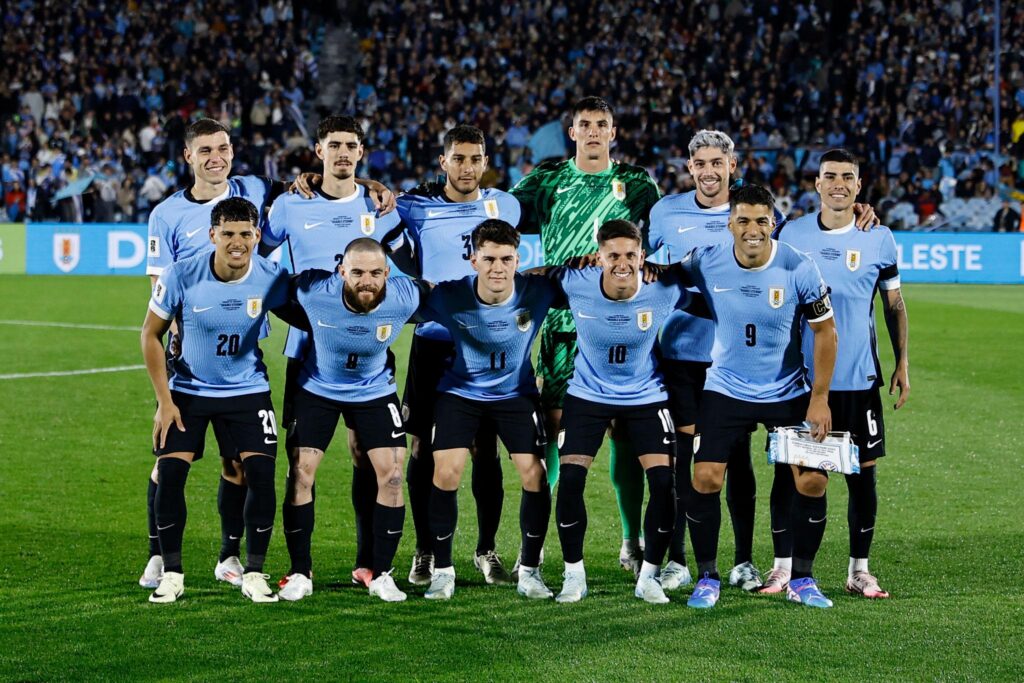

Uruguay may be one of the smallest nations in world football, but their history on the biggest stage is extraordinary. La Celeste have long been regarded as one of the sport’s traditional powers, combining fierce competitiveness, tactical intelligence and a proud football culture that stretches back more than a century.
Uruguay’s History in the FIFA World Cup
Uruguay were the inaugural FIFA World Cup champions in 1930 after hosting the tournament and defeating Argentina 4-2 in the final at the Estadio Centenario in Montevideo. Twenty years later, they stunned Brazil in the legendary “Maracanazo”, coming from behind to win 2-1 in Rio de Janeiro and claim their second world title.
The victory in Brazil remains one of the greatest shocks in football history. More than 170,000 supporters packed the Maracanã expecting a Brazilian triumph, only for Uruguay to silence the stadium with goals from Juan Schiaffino and Alcides Ghiggia.
Since their golden years, Uruguay have continued to produce world-class talent and remain highly respected in international football. They reached the semi-finals in 1954, 1970 and again in 2010 under Óscar Tabárez, when Diego Forlán inspired a memorable run in South Africa.
Uruguay’s football identity has always been built on determination, defensive discipline and technical quality. Despite a population of only around 3.5 million people, the nation consistently competes with global giants such as Brazil, Argentina, Germany and Italy.
Uruguay’s Current Best Players
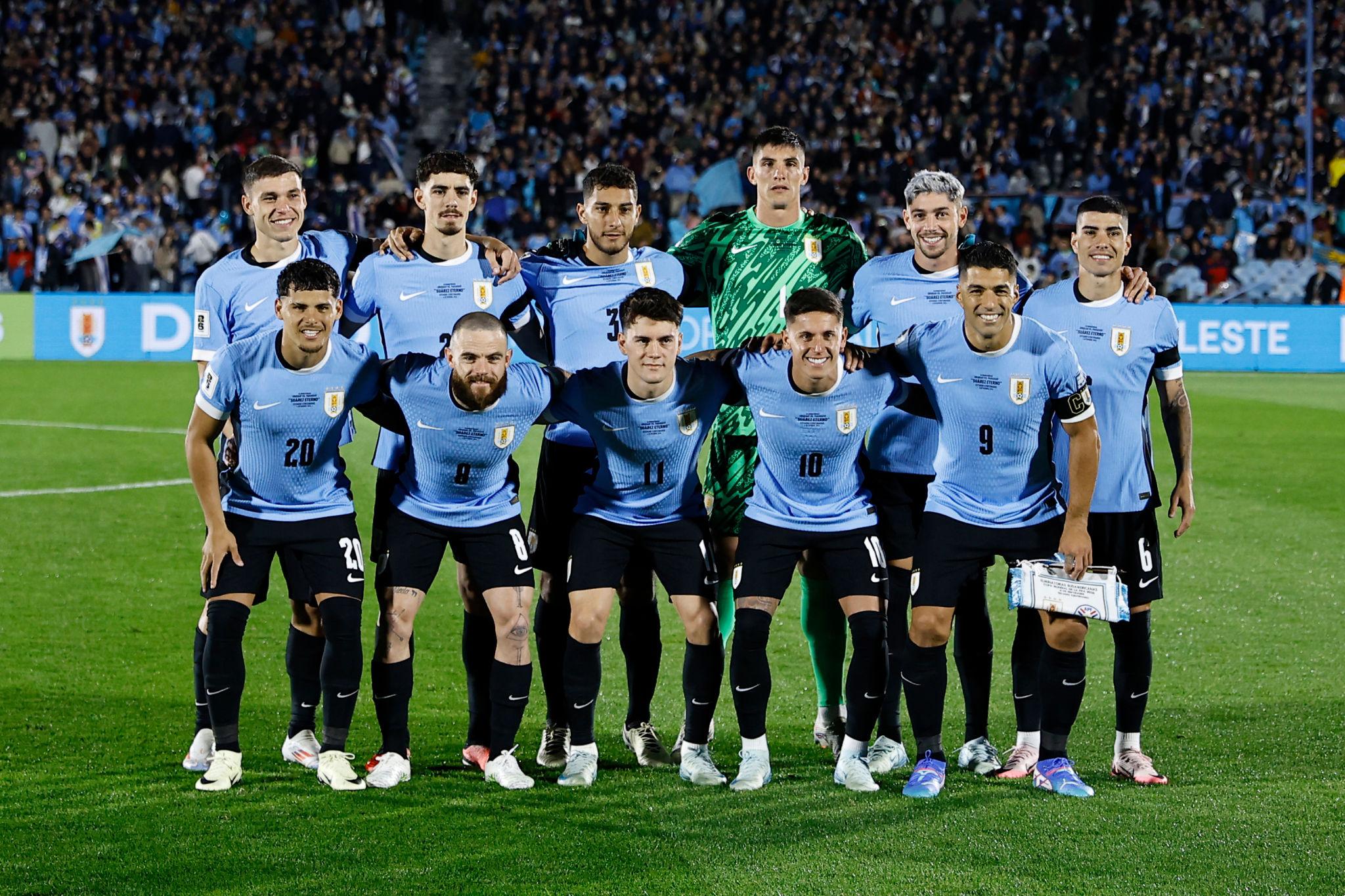
Uruguay’s current generation is packed with talent, particularly in midfield and defence. The squad combines experienced internationals with younger players entering their prime years ahead of the 2026 tournament.
Federico Valverde
The Real Madrid midfielder is widely viewed as Uruguay’s most important player. Valverde offers energy, leadership, creativity and goals from midfield. His versatility allows him to dominate matches in several positions, making him the heartbeat of Marcelo Bielsa’s side.
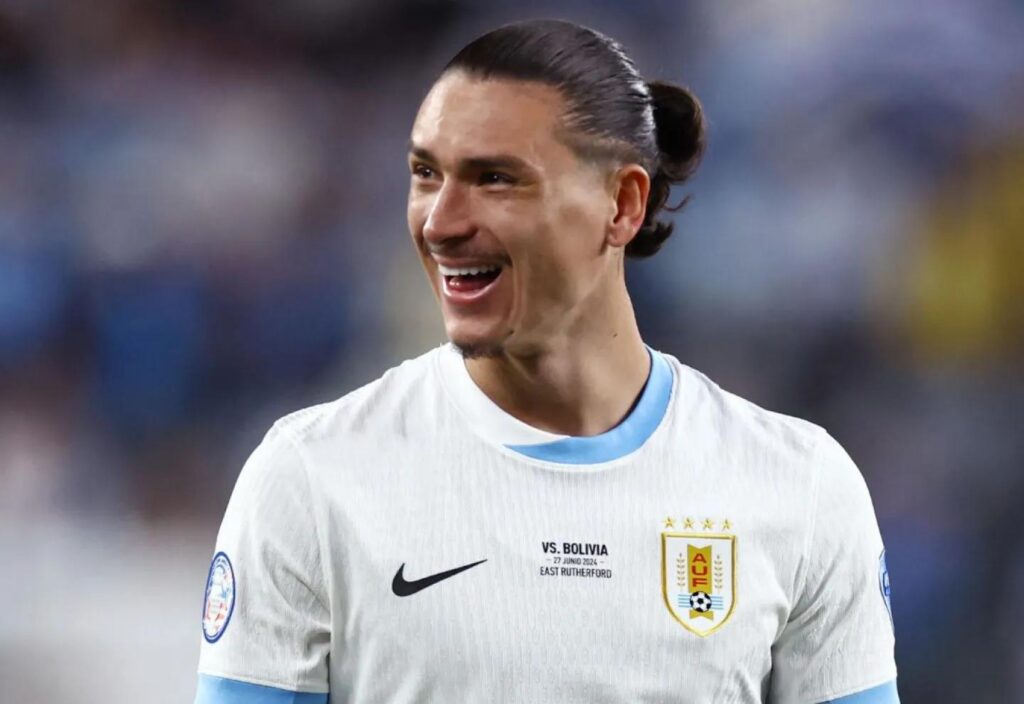
Darwin Núñez
The Liverpool forward remains Uruguay’s main attacking threat. Núñez brings pace, aggression and relentless movement, and he is expected to lead the line during the World Cup.
Ronald Araújo
Barcelona defender Ronald Araújo is regarded as one of the best centre-backs in world football. His physical strength and defensive awareness give Uruguay a solid foundation at the back.
Manuel Ugarte
The hardworking midfielder has become crucial in Uruguay’s pressing system. Ugarte’s ball-winning ability and intensity fit perfectly with Bielsa’s demanding tactical style.
Other important players include Giorgian de Arrascaeta, José María Giménez and Rodrigo Bentancur, giving Uruguay a balanced and experienced squad.
How Uruguay Qualified for FIFA World Cup 2026
Uruguay secured qualification for the 2026 FIFA World Cup through the CONMEBOL qualifying campaign. Under Marcelo Bielsa, they produced several impressive performances against South America’s strongest sides and remained consistently near the top of the standings.
One of the key moments came with a convincing victory over Peru, which mathematically confirmed Uruguay’s place at the tournament. Bielsa’s side combined aggressive pressing with defensive organisation, conceding very few goals during the latter stages of qualification.
Uruguay also earned notable results against Brazil and Argentina during the qualifying campaign, proving they are capable of competing with the continent’s elite teams.
Marcelo Bielsa has transformed the squad with his high-intensity style of football, encouraging younger players to take greater responsibility while maintaining Uruguay’s traditional fighting spirit.
Expectations for FIFA World Cup 2026
Uruguay are unlikely to enter the tournament as outright favourites, but they are widely considered dangerous outsiders capable of making a deep run.
With experienced leaders, an energetic midfield and a strong defensive structure, Uruguay possess many qualities required for knockout football. Their ability to remain compact and disciplined could make them difficult opponents for any nation.
Much will depend on whether Darwin Núñez can consistently deliver goals and whether Valverde can continue his exceptional club form on the international stage. If their key players remain fit, Uruguay could realistically target a quarter-final or semi-final appearance.
Bielsa’s attacking philosophy also gives supporters hope that this generation can produce exciting football rather than relying solely on defensive resilience. However, maintaining tactical balance against elite opposition will be crucial.
For Uruguay, the 2026 FIFA World Cup represents another opportunity to remind the football world that greatness is not measured by population size, but by passion, identity and belief.
Share this content: