New regulations, new era: everything to know about the 2026 Formula One season

Formula One roars back to life on the first weekend of March 2026, ushering in a brand-new era for the sport. With radical car designs, new power units, an additional team on the grid, and returning veterans, the 77th season promises one of the most dramatic shake-ups in F1 history.
After a thrilling finale to 2025 — where Lando Norris, Oscar Piastri, and Max Verstappen all entered the Abu Dhabi decider with a shot at the title — the championship resumes on Sunday, March 8th, at Albert Park in Melbourne.
Across 24 races, fans can expect fresh rivalries, technical innovation, and major storylines.
The New 2026 Regulations
The FIA confirmed sweeping regulatory changes in June 2024 — widely regarded as the most significant overhaul in Formula One history.
From 2026:
Cars are lighter, shorter, and narrower
Tyres are slimmer to reduce drag
Wings become fully dynamic
DRS is replaced
The traditional DRS system is gone. In its place comes Active Aero, featuring adjustable front and rear wings depending on track position. Meanwhile, drivers can deploy extra electrical energy via a new “Overtake Mode” when within one second of the car ahead.
The most dramatic change lies in the power units. The hybrid systems now deliver nearly 300% more electric power, fundamentally altering energy deployment strategies. Early paddock chatter suggests Mercedes may have found an advantage within the new framework, though the FIA continues to monitor developments.
The Title Fight: Main Contenders
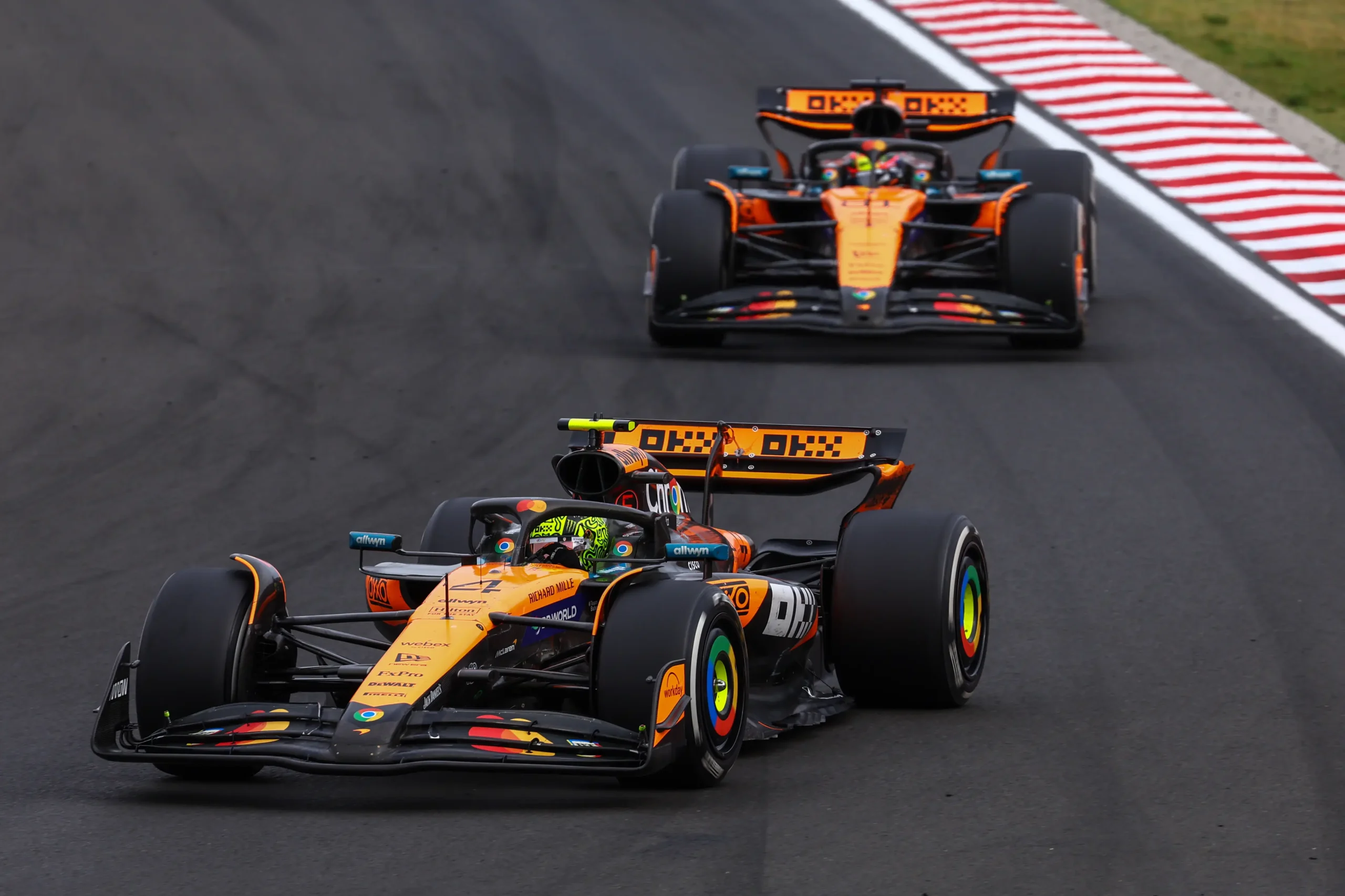
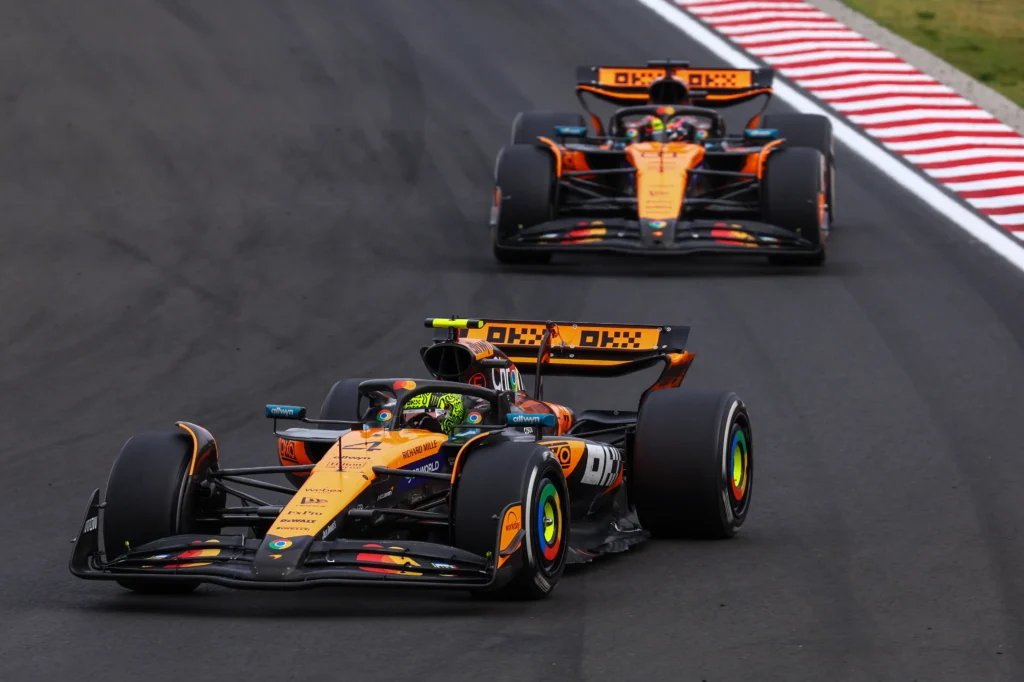
Reigning world champion Lando Norris begins his title defence with McLaren, alongside teammate Oscar Piastri, who will be eager to turn last season’s frustration into success.
Four-time champion Max Verstappen remains a major force at Red Bull, now partnered by rising French talent Isack Hadjar. Mercedes stick with George Russell and Andrea Kimi Antonelli, banking on their new power unit. Ferrari, spearheaded by Charles Leclerc and Lewis Hamilton, impressed during preseason testing and could re-enter the title picture.
New Faces on the Grid
The grid expands to 11 teams with the arrival of Cadillac. The American outfit has signed experienced duo Sergio Pérez and Valtteri Bottas as it begins its Formula One journey.
Sauber has officially transitioned into Audi, marking the German manufacturer’s long-awaited full factory entry into the sport.
There is just one rookie: Arvid Lindblad, who graduates from Red Bull’s junior system to race for Racing Bulls alongside Liam Lawson.
The 2026 Calendar
Spain will host two Grands Prix for the first time since 2012. Madrid’s new street circuit, the “Madring,” debuts on September 13th as the Spanish Grand Prix, while Barcelona hosts the Barcelona-Catalunya Grand Prix.
Key calendar notes:
Imola drops off the schedule for the first time since 2020
Zandvoort hosts its final Dutch Grand Prix
Belgium and Barcelona enter rotational status from 2027
Azerbaijan’s race moves to Saturday to respect national Remembrance Day
The season begins in Melbourne and concludes in Abu Dhabi on December 6th.
Points System
The scoring format remains unchanged:
Grand Prix
1st – 25
2nd – 18
3rd – 15
4th – 12
5th – 10
6th – 8
7th – 6
8th – 4
9th – 2
10th – 1
Fastest Lap – 1 point (if finishing in top 10)
Sprint Races
1st – 8
2nd – 7
3rd – 6
4th – 5
5th – 4
6th – 3
7th – 2
8th – 1
Recent Champions
Drivers’ Champions:
2025: Lando Norris
2024–2021: Max Verstappen
2020, 2019, 2018, 2017, 2015, 2014: Lewis Hamilton
2016: Nico Rosberg
Constructors’ Champions:
2025 & 2024: McLaren
2023 & 2022: Red Bull
2021–2014 (except 2022–23): Mercedes dominance
A Season of Change
The 2026 campaign represents more than just another championship battle — it marks a fundamental reset. With reimagined aerodynamics, greater electric power influence, new manufacturers, and an expanded grid, the competitive order could shift dramatically.
If 2025 delivered one of the tightest title fights in recent memory, 2026 may redefine Formula One entirely.
Share this content: