OPINION: Jude Bellingham Isn’t England’s Only Path to World Cup Success
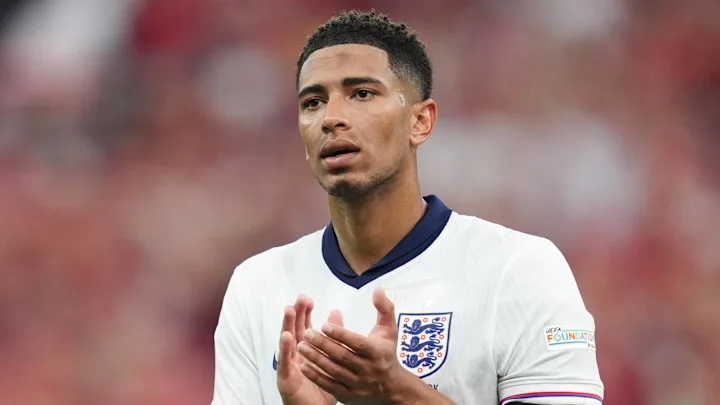
Since being left out of the squad, calls for Jude Bellingham’s swift return to Thomas Tuchel’s England team have grown louder. Yet, after England qualified for the World Cup and delivered impressive performances without him, one question arises: maybe they don’t actually need the superstar.
Early in England’s qualifying campaign, I argued that we wouldn’t know if Tuchel’s side were World Cup contenders until it was too late, given the relatively weak opposition in qualifying and a mixed set of friendlies—a loss to Senegal followed by a win over Wales.
That point still stands. We can’t yet say if England are genuinely capable of going deep in the tournament, but there’s no denying they’ve built momentum, scoring 15 unanswered goals in their last four matches.
Still, these games have taught us a lot. We’ve learned which players Tuchel trusts, and which newcomers are ready for international duty. Elliot Anderson has impressed in midfield in all three recent wins. Djed Spence has proven himself a capable full-back on either side. Marcus Rashford is back in contention for the left wing, although Anthony Gordon currently seems ahead in the pecking order.
In many ways, about two-thirds of England’s likely World Cup starting XI is now clear. Most of the squad almost picks itself. The debate centers on the remaining positions, where the big talking points lie.
England’s success without Bellingham
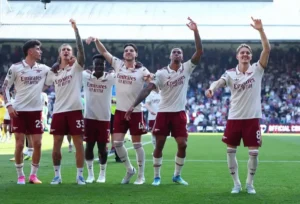
The absence of Jude Bellingham during the recent international break sparked endless discussion. Was he injured? Overlooked? Out of favor? Or simply a non-issue? Despite the media storm, England’s October performances showed they can perform—and win—without Bellingham, Phil Foden, Jack Grealish, Cole Palmer, Adam Wharton, Reece James, Trent Alexander-Arnold, Noni Madueke, or even captain Harry Kane against Wales. The talent pool is just that deep.
What’s become evident is that, aside from Kane, England don’t necessarily need those high-profile names to compete at the top level. Some, like James, Madueke, and Palmer, would likely return if fit, but Bellingham’s absence has been particularly notable—and perhaps telling.
Tactically, Bellingham doesn’t fit
England’s 4-2-3-1 system provides some clues. Declan Rice firmly occupies one holding midfield spot, while Bukayo Saka is first choice on the right and Gordon or Rashford on the left. This leaves the second holding role and the number 10 position behind Kane.
Bellingham is not a natural holding midfielder. His game has evolved at Real Madrid to drift left and forward, sometimes even playing as a false nine or on the left of a front two. With Anderson excelling in midfield and backups like Jordan Henderson and Ruben Loftus-Cheek available, Bellingham is arguably not among England’s top two options in this deeper role.
Further forward, Bellingham also faces competition. Morgan Rogers has been outstanding behind Kane, with Eberechi Eze providing strong support when needed. Bellingham’s tendency to drift left risks crowding Kane or overlapping with the wingers—a challenge that has historically troubled England. In this role, Rogers, Eze, Palmer, and Foden appear better suited.
On the left, the argument is even weaker. Gordon has been excellent, Rashford is finding his best form, and Grealish remains a natural third option, alongside Eze and potentially Madueke.
The bottom line
If Bellingham doesn’t fit as a six, an eight, a 10, or a winger, then the logical conclusion is simple: Tuchel might not select him at all. While lack of match fitness was a factor in his recent omission, England’s current form suggests Tuchel is building a squad based on performance, balance, and tactical cohesion, not simply star power.
So, while it remains uncertain whether England can win the World Cup, one thing is increasingly clear: they might just do it without Jude Bellingham.

Share this content: