FIA prioritizes safety in decisions on middle eastern F1 races
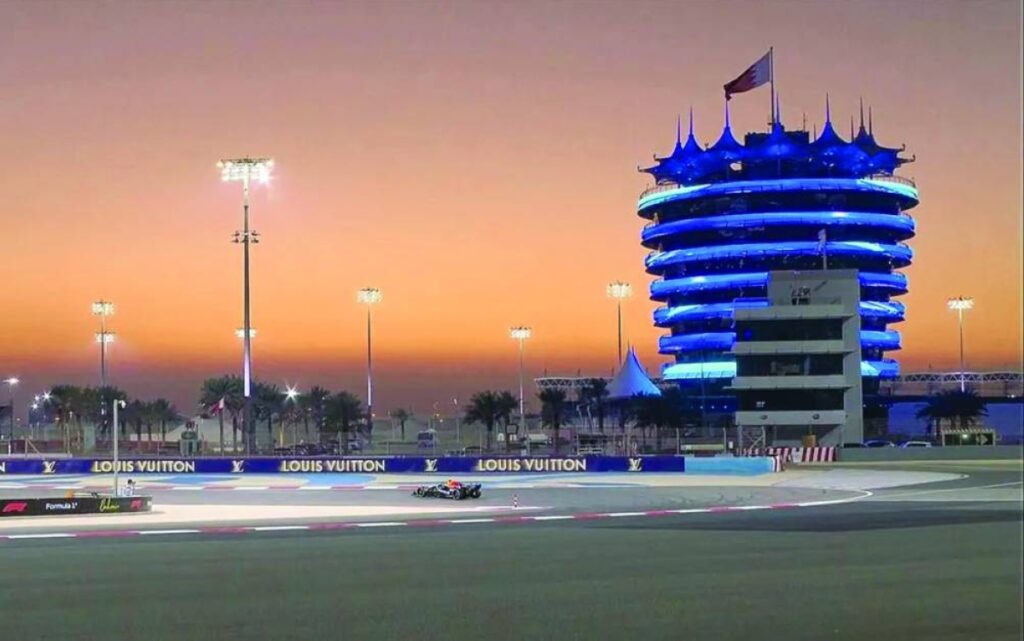

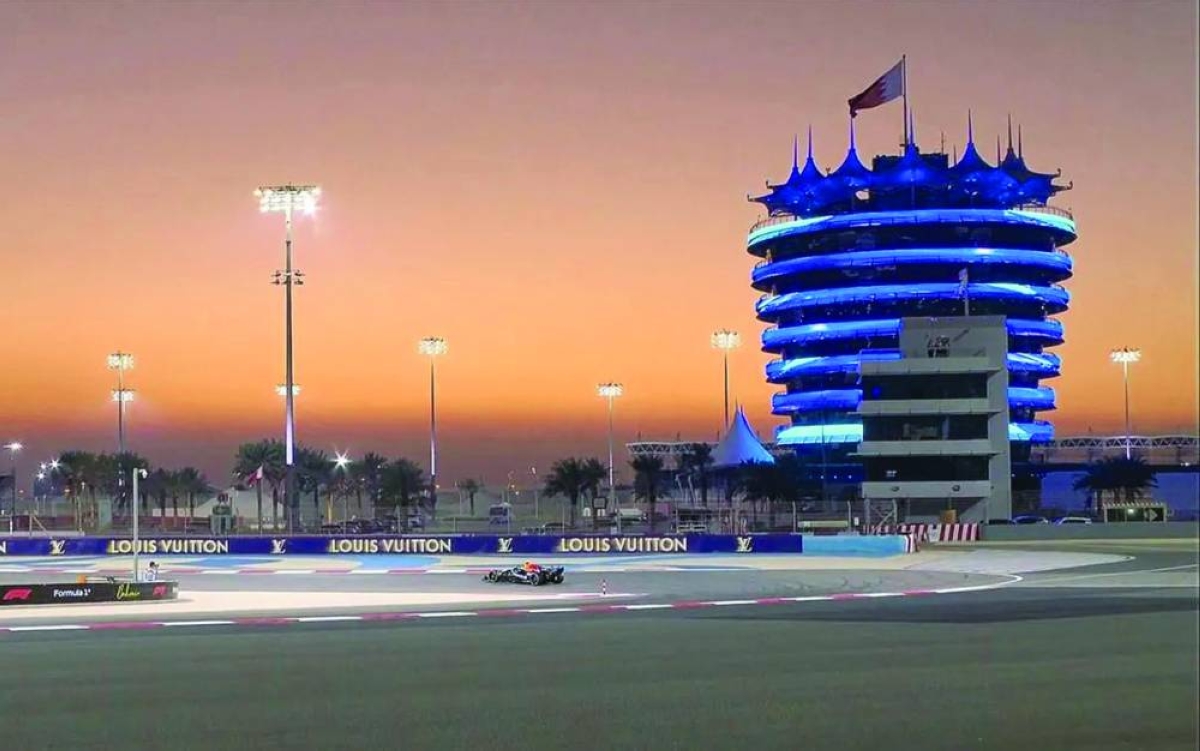
Formula One and the governing body FIA are closely monitoring the situation in the Middle East, saying any decisions on races scheduled in Bahrain and Saudi Arabia next month will be guided by safety.
Australian Grand Prix CEO Travis Auld has indicated that this weekend’s season-opener at Melbourne’s Albert Park will not be affected by travel disruptions caused by recent conflict in the Gulf.
Over the weekend, US and Israeli strikes targeted Iran, prompting retaliatory actions in the Gulf, which temporarily disrupted activity in a major aviation hub. Formula One teams, many of whom recently completed pre-season testing in Bahrain, had planned to pass through Qatar or the United Arab Emirates en route to Australia.
“No doubt the events of the weekend disrupted travel plans for teams and F1 itself,” Auld told Fox Sports on Monday. “F1 are experts at moving people around the world and quickly rescheduled flights. Everyone is now locked in and arriving on time, so our race will go ahead as planned.”
Uncertainty Ahead for Gulf Races
Following Melbourne, the calendar moves to China and Japan before the first Middle Eastern rounds in Bahrain and Saudi Arabia in April, with Qatar and Abu Dhabi hosting the season finales in November and December.
Mohammed Ben Sulayem, president of the FIA, expressed concern for those affected and said the federation is “in close contact with member clubs, championship promoters, teams, and colleagues on the ground” to monitor developments.
“Safety and wellbeing will guide our decisions as we assess forthcoming events scheduled for the FIA World Endurance Championship and the Formula One World Championship,” Ben Sulayem added.
While Melbourne’s Albert Park circuit is unlikely to serve as a backup venue should Bahrain or Saudi Arabia be unable to host, Auld emphasized that contingency plans exist:
“Obviously, we spent a lot of time constructing this circuit, and straight after the race, we pull it all back down so the community can use it,” he said. “F1 will have other plans in place, as you would imagine, for a whole series of reasons.”
Middle Eastern Races Key to F1
The Gulf events are major revenue generators for Formula One through substantial hosting fees. The region also has strong ties to the sport: Bahrain’s sovereign wealth fund owns McLaren Racing, Abu Dhabi has interests in the sports car company, Qatar is a significant investor in F1 newcomers Audi, and Saudi energy giant Aramco is a global partner and title sponsor of Aston Martin.
Formula One has previously adapted to crises, running races without spectators during the COVID-19 pandemic and maintaining a list of circuits that could step in on short notice. Notably, the 2022 Saudi Arabian Grand Prix went ahead despite rocket attacks by Yemen’s Iran-backed Houthis on an oil facility near the Jeddah street circuit.
Share this content: