Potential dark horses for the 2026 World Cup: Which national teams could surprise?


The draw for the 2026 World Cup is fast approaching, with every nation eagerly awaiting to see what path lies ahead and how tough their journey to the later stages might be.
Next year’s tournament will mark several historic firsts. For the first time, FIFA is expanding the competition to 48 teams, up from 32, adding an extra round and stretching the event to a record 39 days. On top of that, the World Cup will be hosted across three countries—USA, Mexico, and Canada—another unprecedented move.
The Favorites
Argentina, the defending champions, remain among the favorites, potentially marking Lionel Messi’s final World Cup with La Albiceleste. Spain’s emerging “golden generation” also looks set to challenge strongly. Meanwhile, England dominated their qualifying campaign without conceding a goal, and traditional powerhouses France, Germany, and the Netherlands will rely on experience to avoid early exits.
Debutants Making History
Several nations will compete at a World Cup for the first time. Curacao earned a goalless draw against Jamaica to qualify, becoming the smallest nation ever in the tournament with just 150,000 residents. Their coach, Dick Advocaat, at 78, will also set a record as the oldest manager in World Cup history.
Cape Verde, Jordan, and Uzbekistan are also making their debuts, bringing new stories and talent to the global stage.
Dark Horses to Watch
Beyond the favorites, the 2026 World Cup promises potential surprises. Some teams could quietly advance far, especially if drawn in favorable groups.
Norway’s Stunning Qualifiers
Norway delivered a sensational qualifying campaign that deserves more attention. In a group including Italy, whom they defeated 4-1 to secure their first World Cup appearance in 28 years, Erling Haaland and his teammates dominated. Like England, Norway won all eight qualifying matches, scoring 37 goals—the highest of any European team.
Haaland, with 16 goals in qualifying, was pivotal, but Norway is far from a one-man team. Alexander Sorloth and Jorgen Strand Larsen provide additional attacking firepower, while youngsters Antonio Nusa and Oscar Bobb bring creativity and flair. Martin Ødegaard drives much of Norway’s midfield, supported by Julian Ryerson and Kristoffer Ajer in defense, and Sander Berge controlling the midfield.
Ecuador: A South American Threat
In South America, Brazil may breathe easier with the tournament’s expansion after finishing fifth in qualifying. However, Ecuador and Colombia quietly secured impressive results. Ecuador boasts one of the world’s best defensive midfielders, Moisés Caicedo, and a solid defensive line featuring Piero Hincapié, Willian Pacho, and Joel Ordóñez. Conceding just five goals in 18 qualifying matches, Ecuador may be underestimated at their peril.
Colombia and Uruguay: Experience and Solidity
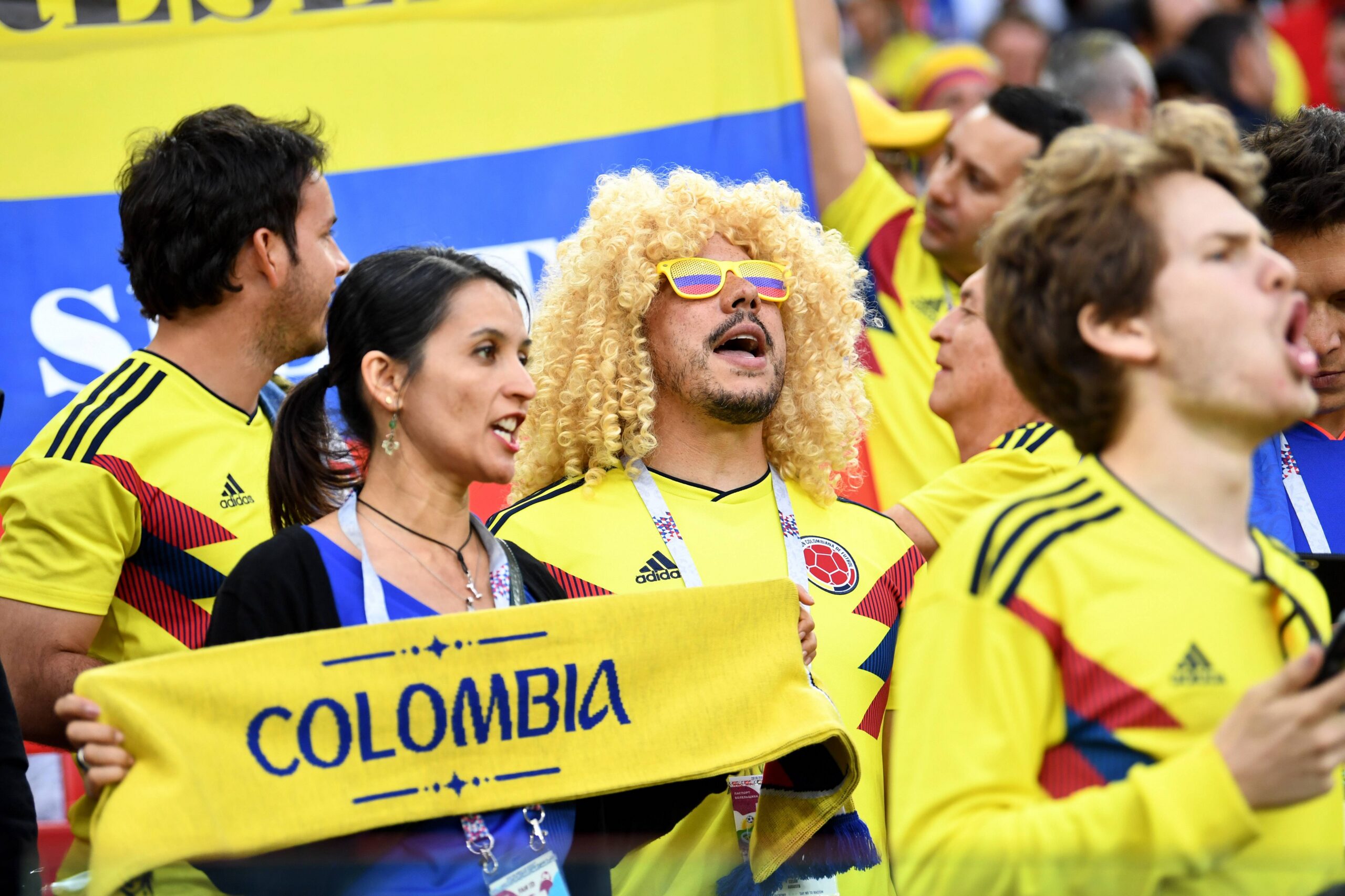
Colombia finished just behind Ecuador but doubled their goal tally, blending seasoned World Cup veterans like James Rodríguez with in-form newcomers such as Luis Díaz, Jhon Duran, Jhon Arias, and Richard Ríos. Uruguay, under Marcelo Bielsa—likely managing his final World Cup at age 70—may also make an impact. Their qualification campaign was mixed, but players like Ronald Araújo, José María Giménez, Manuel Ugarte, and Giorgian De Arrascaete give them one of the tournament’s strongest cores.
Time will tell which of these under-the-radar teams can challenge the established favorites. With debutants, surprise packages, and legendary players potentially bowing out, World Cup 2026 is shaping up to be a truly unforgettable spectacle.
Share this content: