Champions League holders PSG refocus on youth development through campus initiative
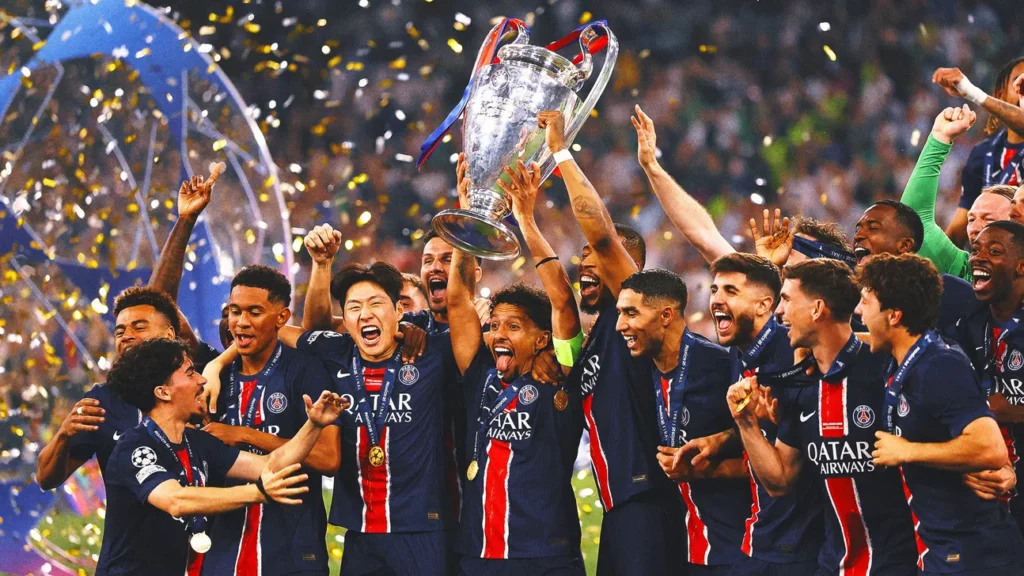

When academy forward Senny Mayulu slammed in Paris Saint-Germain’s final goal in their Champions League triumph over Inter Milan, it represented far more than the closing strike in a dominant win.
For PSG, it marked a turning point. After more than a decade defined by blockbuster signings, the club is shifting its long-term strategy toward developing its own talent—anchored by a new €350 million ($403 million) training campus that they hope will supply the backbone of future squads.
Located on the outskirts of Paris, the expansive complex unites the men’s, women’s and youth teams under one roof, embodying PSG’s push to cultivate a stronger homegrown identity.
“There’s only one flight of stairs to climb,” sports director Luis Campos told reporters. “In the long term, we want to build a squad without huge spending in the market—one with a French identity.”
That identity is already beginning to take shape. This season alone, five academy products—Warren Zaïre-Emery, Senny Mayulu, Noham Kamara, Ibrahim Mbaye and Quentin Ndjantou—have made the leap to the first team.
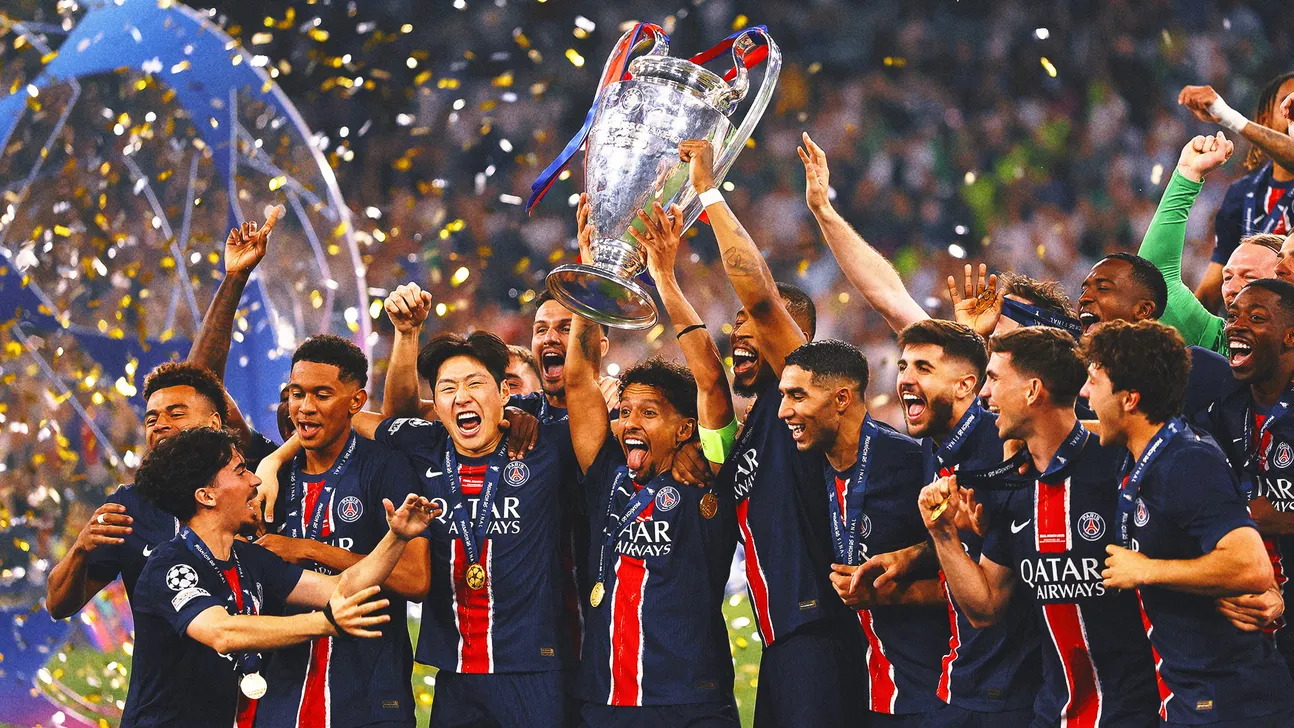
PSG also fielded the youngest starting XI in their history in a May match against Montpellier, averaging just over 21 years and 250 days. The side that lifted the Champions League trophy was similarly youthful—the second-youngest to ever win the competition, at an average of 24 years and 110 days, narrowly older than Ajax’s famed 1994–95 team.
Two of PSG’s standout prospects have already etched their names into the record books: Zaïre-Emery started a match at just 16 years, four months and 29 days, while Mbaye made his debut only two months older.
A clear break from the past
The shift represents a dramatic departure from the era that began with Qatar Sports Investments’ takeover in 2011, a period in which PSG became one of Europe’s most aggressive spenders. They attracted global icons—Zlatan Ibrahimović, Neymar, Kylian Mbappé, Lionel Messi—but the Champions League title remained elusive until now.
The three pillars
The new training campus, completed in January 2024, is built on three pillars—sporting development, education and personal growth—explains academy director Yohan Cabaye.
Cabaye also acknowledged a recent visit from the Inspection du Travail, the French authority overseeing labour-law compliance, which is reviewing allegations of mismanagement at the academy.
“We have nothing to hide,” he said. “Ambition comes with demands. We must keep moving forward. The focus has to remain on our core mission.”
One key design feature of the campus is physical proximity: academy players are now only steps away from the senior squad.
“We want our youth teams to understand the same principles of play as the first team,” Campos said. “When they move up, they should already understand our pressing and possession game.”
To accelerate those transitions, PSG have intentionally reduced the size of the senior squad.
“These are not gifts,” Campos insisted. “We’ve built a group of 14 or 15 versatile players, leaving space for six or seven academy talents to earn their place.”
A strategic and economic necessity
The move arrives as French football faces financial strain following a decline in domestic broadcast revenue. For PSG, nurturing young players is no longer just a sporting philosophy—it is becoming an economic imperative.
“This is just the beginning,” Cabaye said. “We’re celebrating 50 years, but this project marks the start of something far larger.”
Share this content: