The legacy of the ‘point god’: A brilliant career ending in controversy
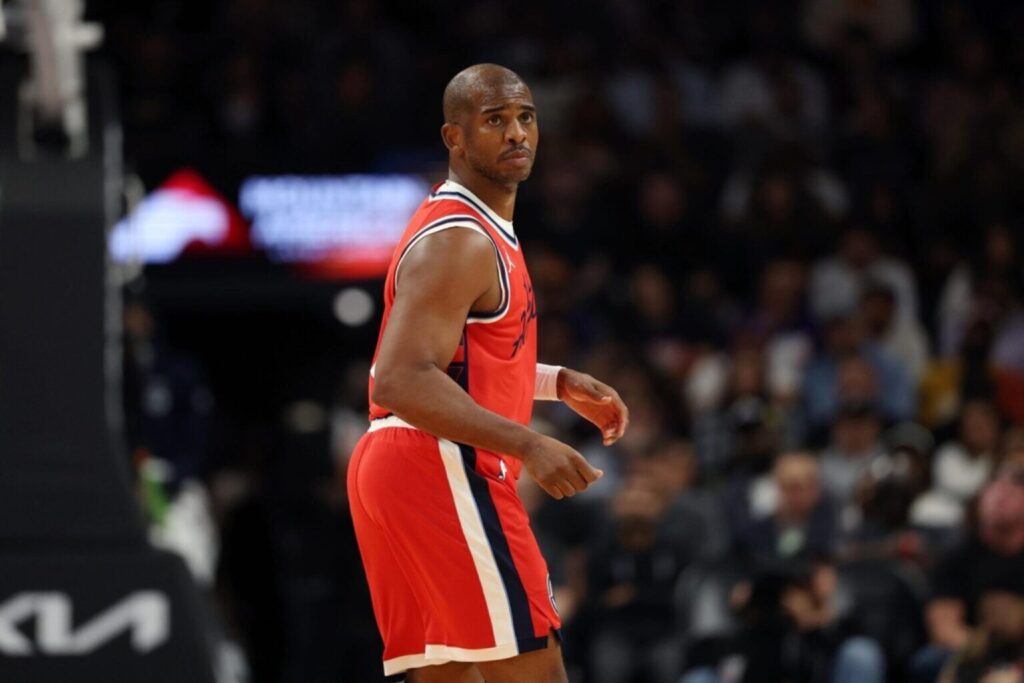

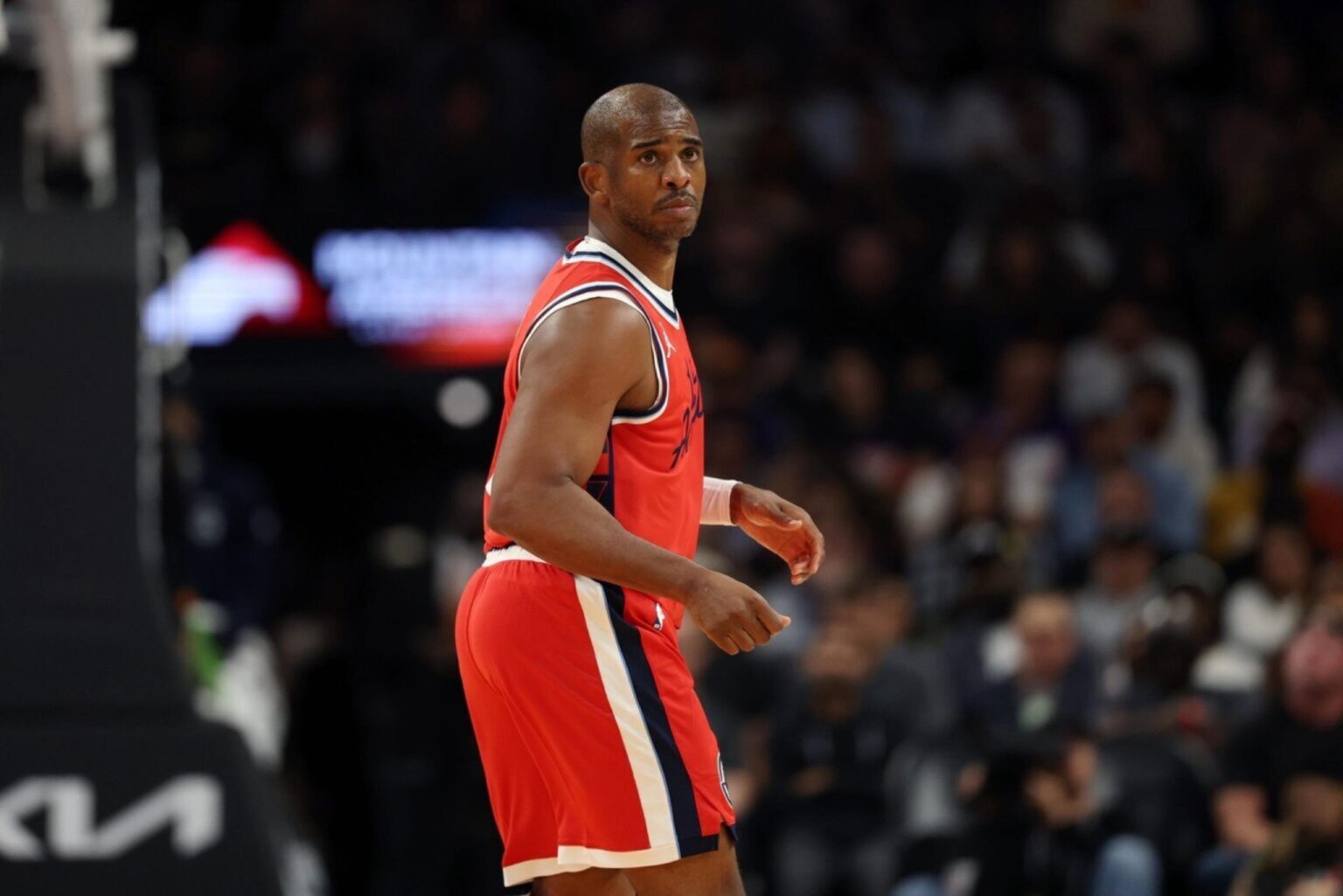
Earlier this month, Chris Paul announced he was retiring from the NBA in his 21st season — the second time in a matter of months that his name had sent shockwaves through the basketball world.
The first tremor came in early December, when the Los Angeles Clippers abruptly dismissed Paul in the middle of a five-game road trip. It was a stunning and messy split between franchise icon and organization.
“We are parting ways with Chris, and he will no longer be a part of the team,” Clippers executive Lawrence Frank said in a statement. “We will work with him on the next step of his career. Chris is a legendary Clipper who has had a historic career. I want to make one thing very clear. No one is blaming Chris for our underperformance. I accept responsibility for the record we have right now.”
The explanation did little to quiet the disbelief around the league.
The rise of the ‘Point God’
Paul leaves the game widely regarded as one of the greatest point guards in NBA history. Though a championship ring eluded him, his imprint on every franchise he represented — and on the modern interpretation of the position — is undeniable.
Nicknamed the “Point God,” Paul built his legacy on precision and control. A five-time assist champion, 11-time All-NBA selection, nine-time All-Defensive team honoree and six-time steals leader, he combined elite court vision with a relentless competitive edge. His consistency over two decades earned him a place on the NBA 75th Anniversary Team.
At six feet tall, the North Carolina native understood early that skill would have to compensate for stature. He refined his handle, perfected a lethal mid-range jumper, and became a disruptive perimeter defender. After two standout seasons at Wake Forest University, he declared for the 2005 NBA Draft and was selected fourth overall by the New Orleans Hornets. He averaged 16.1 points and 7.8 assists as a rookie, capturing Rookie of the Year honors.
Six seasons later, he was traded to the Clippers, where he formed the electrifying “Lob City” trio alongside Blake Griffin and DeAndre Jordan. The high-flying spectacle made Los Angeles must-watch television, but postseason breakthroughs proved elusive.
In 2017, seeking a long-term commitment, Paul was dealt to the Houston Rockets. In Texas, he came agonizingly close to the NBA Finals. Houston held a 3–2 lead over the Golden State Warriors in the Western Conference Finals before Paul suffered a hamstring injury. Led by Stephen Curry, Golden State stormed back to win the series.
Stops with the Oklahoma City Thunder and later the Phoenix Suns followed. In Phoenix, Paul reached his only NBA Finals, falling in six games to the Milwaukee Bucks. Along the way, he surpassed 20,000 points and 11,000 assists and moved past Michael Jordan for third on the league’s all-time steals list.
A late-career stint with the Golden State Warriors saw him come off the bench for the first time in 1,365 games. He later signed with the San Antonio Spurs, becoming the first player in NBA history to record 23,000 points and 12,000 assists and starting all 82 games in a season at age 40 — a remarkable feat.
A homecoming gone wrong
Sensing the end was near, Paul returned to the Clippers on a one-year deal, hoping to close his career where his prime once flourished. In November 2025, he confirmed the season would be his last.
Weeks later, on December 3, the Clippers sent him home following an away game — without warning.
The timing raised eyebrows. The team was 5–16 and languishing at the bottom of the Western Conference. Few believed a 12-time All-Star was solely responsible for their struggles.
Paul’s leadership style has always been intense, vocal and demanding. Teammates have described him as relentless in pursuit of accountability. During training camp, he quickly took command of the second unit, pushing them to outplay the starters on a regular basis.
But as losses mounted, friction reportedly grew. Paul offered corrections and alternative ideas; team leadership cautioned him against undermining the coaching staff. He clashed with head coach Tyronn Lue and associate head coach Stan Van Gundy. After internal meetings and a final warning, the franchise decided to part ways.
The optics were jarring. Days earlier, the Clippers had released a tribute video stating Paul would “end his Hall of Fame career at home.” Instead, he was on a flight back to Los Angeles while the team prepared to play in Atlanta.
A complicated farewell
Opinions around the league were divided. Some executives suggested Paul’s demanding style could wear thin, particularly as his on-court production declined. Others argued that a player of his stature deserved a more dignified exit.
Months later, at the trade deadline, the Clippers dealt Paul to the Toronto Raptors, who waived him shortly thereafter. Soon after, Paul made his retirement official.
The ending was undeniably turbulent. Yet controversy cannot overshadow the breadth of his accomplishments.
For more than two decades, Chris Paul orchestrated offenses with surgical precision and redefined what it meant to control a game from the point guard position. He elevated teammates, demanded excellence, and competed with a ferocity that rarely waned.
His goodbye may have been messy. His legacy is not.
The ‘Point God’ leaves the hardwood as one of the finest floor generals the sport has ever seen — a career remarkable in both brilliance and complexity.
Share this content: