Why Arsenal struggled to overcome Wolves in a top vs bottom Premier League clash
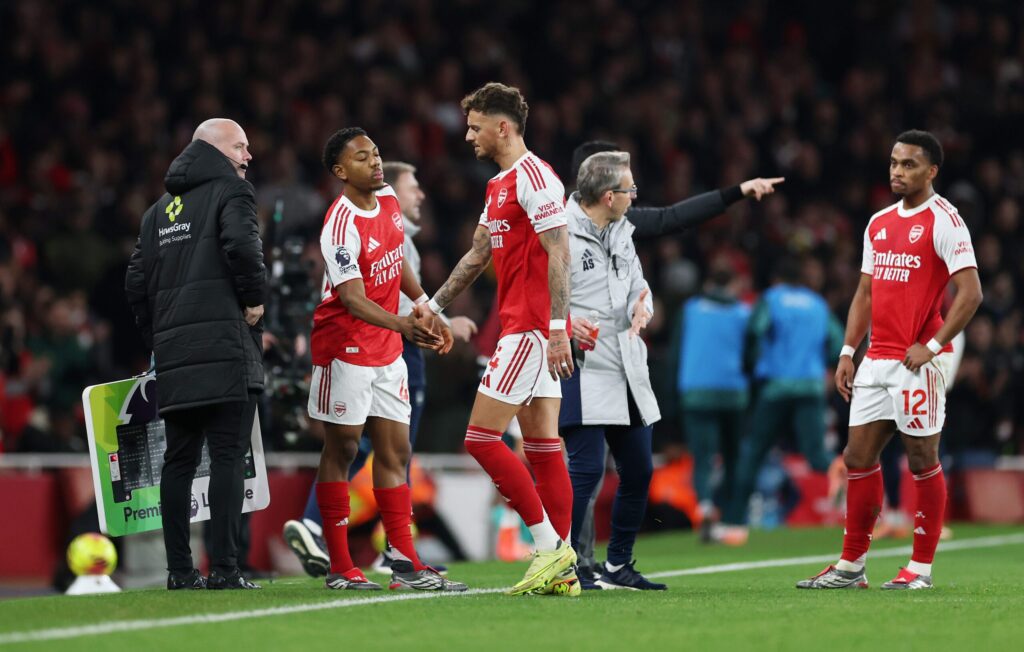

On Saturday evening, the Premier League served up a classic top-versus-bottom encounter as Wolverhampton Wanderers traveled to the Emirates Stadium to face an Arsenal side that has looked formidable in the 2025/26 season.
For Wolves, the task was daunting. Heading into the match, they had earned only two draws from 15 games, with no wins and just eight goals scored—a season fast shaping up to be one of the worst in English top-flight history since the Premier League’s rebranding in the early 1990s.
A record-breaking season in jeopardy
The current record for the fewest points is 11, set by Derby County in the 2007/08 season when relegation was confirmed as early as March. Rob Edwards’ side faced a monumental challenge, especially given Arsenal’s dominance over Wolves in recent years: the Gunners had won all eight previous meetings since February 2022, with Wolves scoring only twice and conceding 17 in that period.
Wolves’ defensive resilience
Both teams made three changes to their starting lineups, with Toti Gomes making his 100th appearance for Wolves. Arsenal began strongly, dominating possession in the opening half hour with 52 passes in the final third compared to Wolves’ 16.
Yet, it was Wolves’ Hwang Hee-Chan who registered the first shot on target in the 26th minute, a reminder to Arsenal that they couldn’t take this fixture lightly. Despite firing off multiple attempts before halftime, none of Arsenal’s shots tested Wolves’ goalkeeper.
Midfield battle keeps Gunners at bay
Wolves’ five-man midfield—anchored by Joao Gomes, Andre, and Ladislav Krejci—effectively stifled Arsenal’s creativity. Eberechi Eze and Bukayo Saka were limited to playing down the channels, with Krejci particularly industrious, contesting 12 duels on the ground and seven in the air, while Gomes won two of his three tackles.
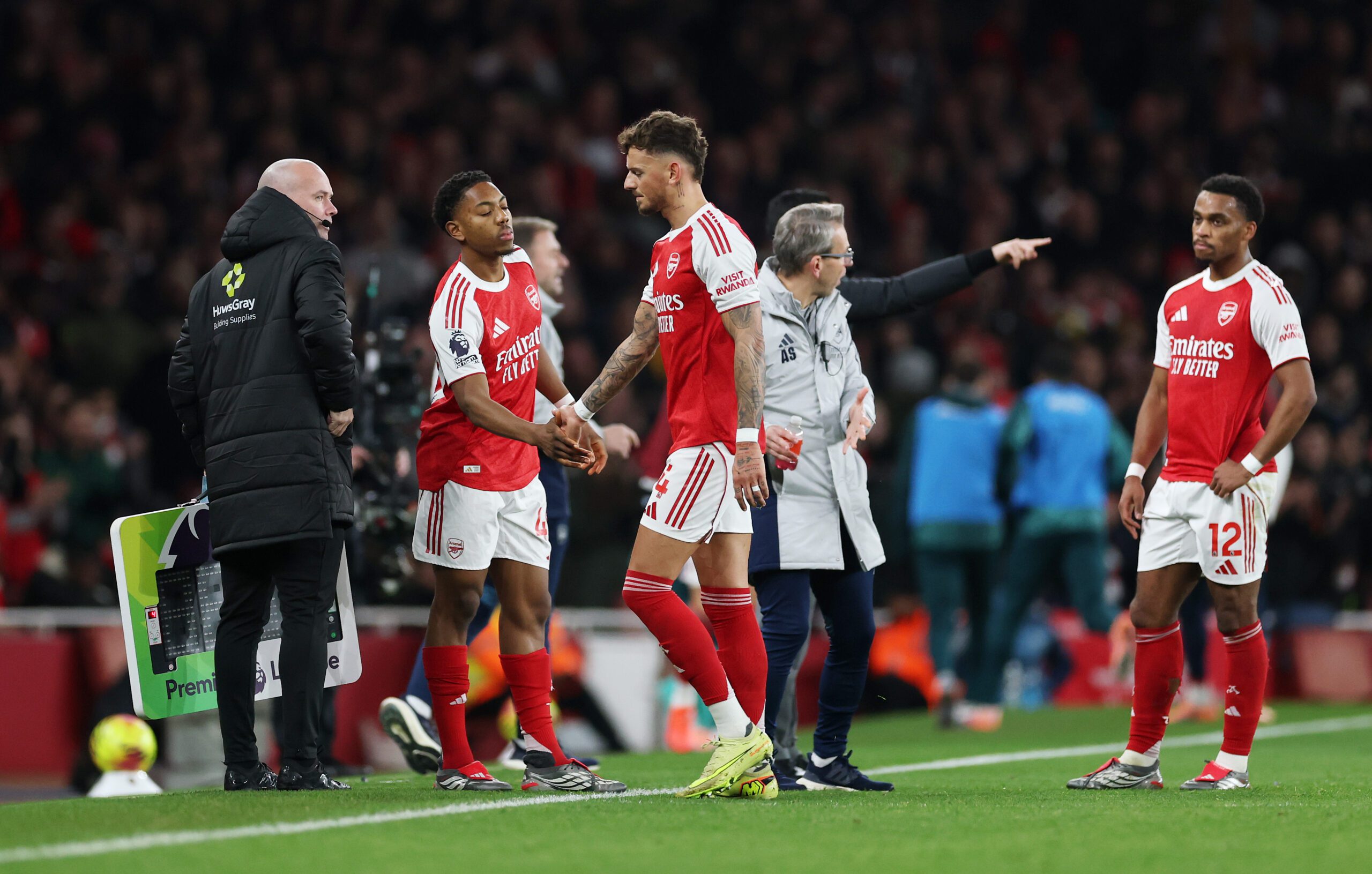
Gabriel Martinelli and Eze were substituted before the hour mark, replaced by Martin Odegaard and Leandro Trossard. The change helped Arsenal regain some control: they dominated possession with 84% in the 15 minutes following halftime, yet their efficiency in front of goal remained lacking.
Long wait for a shot on target
Declan Rice finally registered Arsenal’s first shot on target in the 68th minute—their longest wait for a home Premier League shot since February 2016. Moments later, Wolves’ misfortune struck again as Sam Johnstone inadvertently turned Bukayo Saka’s corner into his own net.
Odegaard began to influence the game significantly, completing 24 of 29 passes and creating space for teammates. Defensively, Jurrien Timber consistently sought outballs to Saka, while William Saliba and Piero Hincapie maintained passing accuracy in the mid-90s, though much of it was between themselves.
Wolves momentarily threaten
Wolves made three late substitutions, and Tolu Arokodare capitalized on one opportunity to score, briefly silencing the Emirates crowd. Arsenal had 16 shots in total but managed only two on target.
During stoppage time, Yerson Mosquera’s own goal restored Arsenal’s lead, ensuring all three points. Wolves’ ninth consecutive loss extended their longest losing streak in the Premier League, while Arsenal escaped with a victory despite a lackluster performance.
In the end, the match highlighted both Wolves’ resilience and Arsenal’s struggles to convert dominance into clear-cut opportunities—a reminder that even the best sides can be tested when facing determined opponents at the bottom.
Share this content: