Real Madrid president Pérez open to external investment to boost club finances
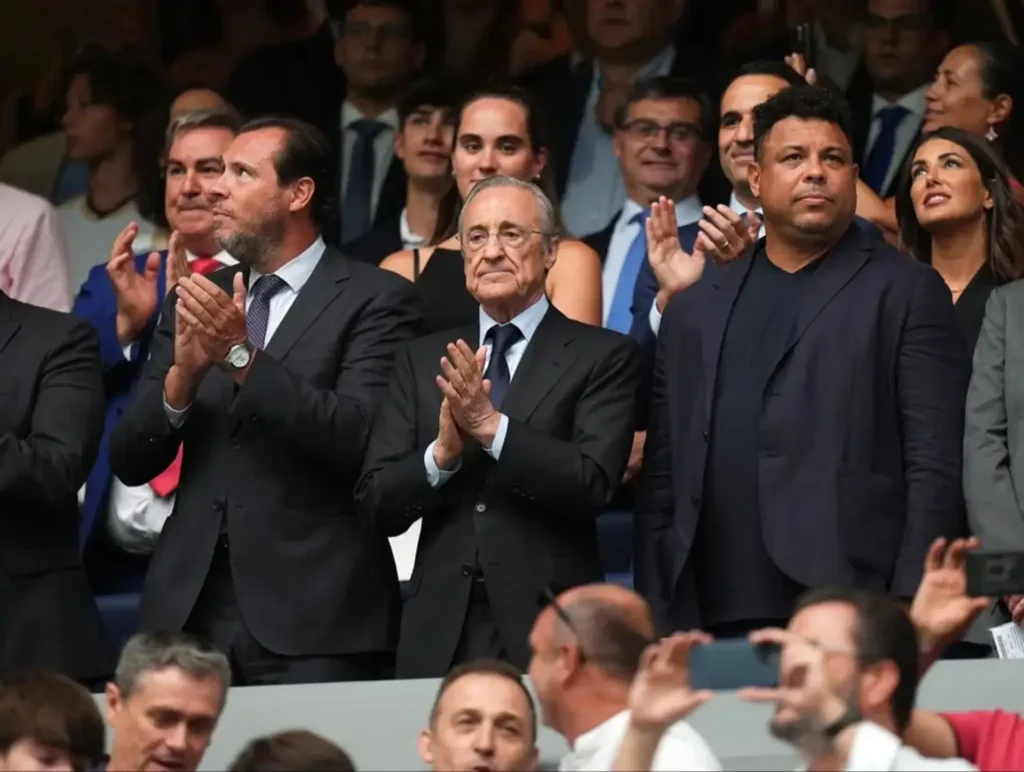

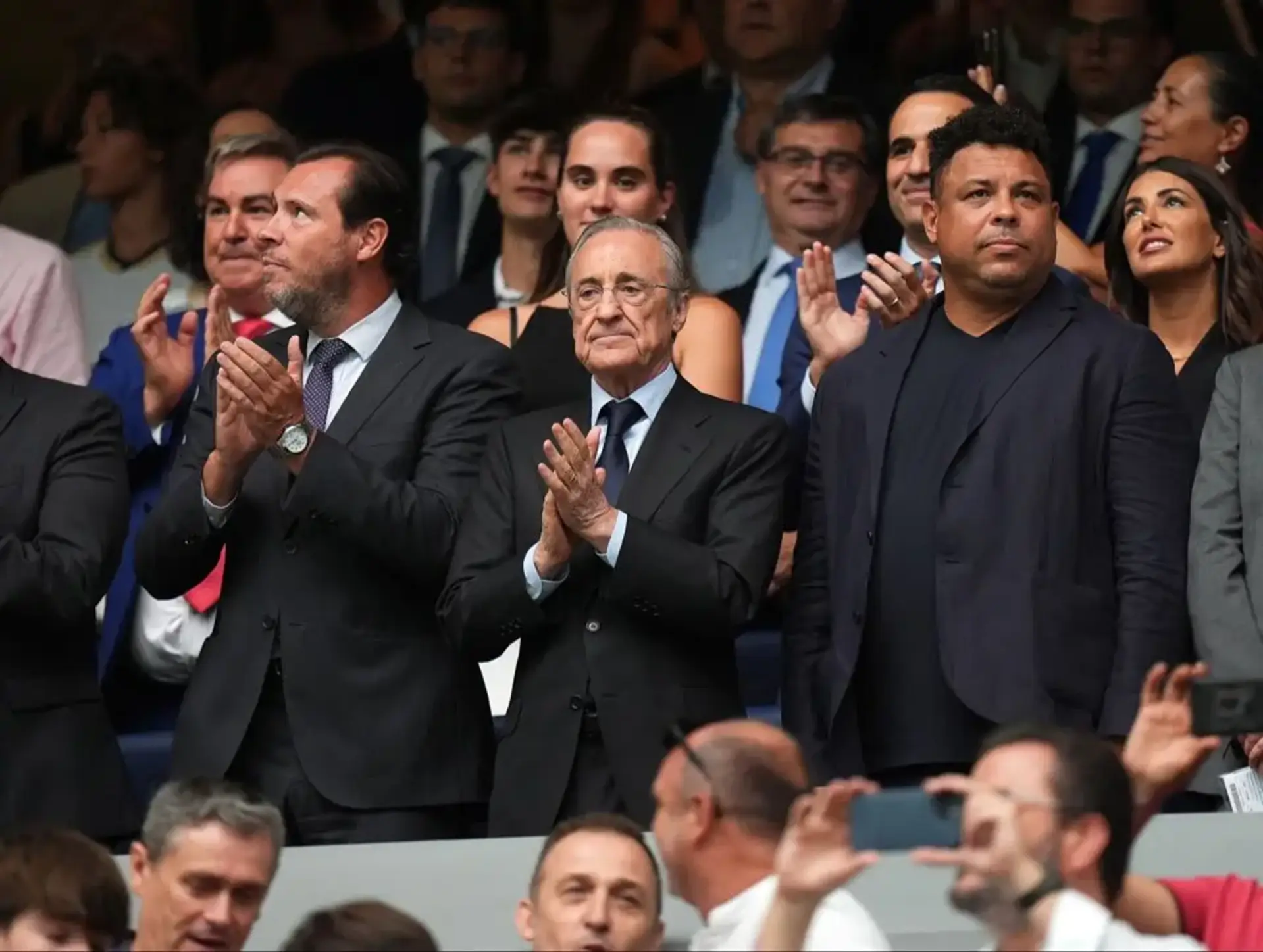
Real Madrid are exploring the possibility of creating a subsidiary that would allow external investors to purchase a small stake—around 5%—in the world’s most valuable football club, president Florentino Pérez announced on Sunday.
Pérez told members at the club’s annual assembly that a vote will be held at an upcoming extraordinary general meeting, as the proposal requires changes to Real Madrid’s statutes. He stressed that the club’s traditional members-ownership model would remain intact and that being a member would now carry “real and tangible value.”
“If someone is willing to invest significant amounts of money for a symbolic stake, that is the clearest demonstration of Real Madrid’s value,” Pérez said during an hour-long speech that drew repeated applause.
He added that any investor—or group of investors—must respect the club’s values, contribute to its growth, and help protect its assets “from external attacks.”
Real Madrid, like Barcelona, Athletic Club, and Osasuna, operate under a member-owned structure. Around 2,000 representatives act as delegates at the annual assembly, where they review financial accounts, vote on statute changes, and elect the club president.
The move toward opening up a small portion of ownership would follow the recent deal in which U.S. fund Apollo became majority shareholder of rivals Atlético Madrid—part of a growing trend of private equity investment in football, driven by the sport’s stable revenue streams.
Real Madrid remain football’s only club to exceed €1 billion in annual revenue, according to Deloitte. For the 2024/25 season, revenue rose to €1.19 billion, while net profit jumped 56% to €24.3 million, Pérez said.
With a valuation of $6.75 billion, Real Madrid sits atop global football rankings, according to Forbes.
Yet Pérez has long argued that the membership model limits the club’s competitiveness in the transfer market, particularly against clubs owned by private investment groups, billionaires, or state-backed entities such as Paris Saint-Germain, Manchester City, and Chelsea.
Real Madrid have been a driving force behind the push for a European Super League, which Pérez claims would help level the financial playing field.
Last year, the president suggested holding a referendum on reorganizing elements of the ownership structure to help “protect the club from threats,” while reiterating that Real Madrid would remain member-owned.
The club’s statutes require an extraordinary assembly to modify its structure, and Real already have ongoing partnerships with U.S. private equity firms. In 2022, they struck a deal with Sixth Street to receive €360 million in exchange for rights to develop and operate new commercial ventures at the renovated Santiago Bernabéu over the next 20 years.
Share this content: