Italian FA president resigns after World Cup qualification failure
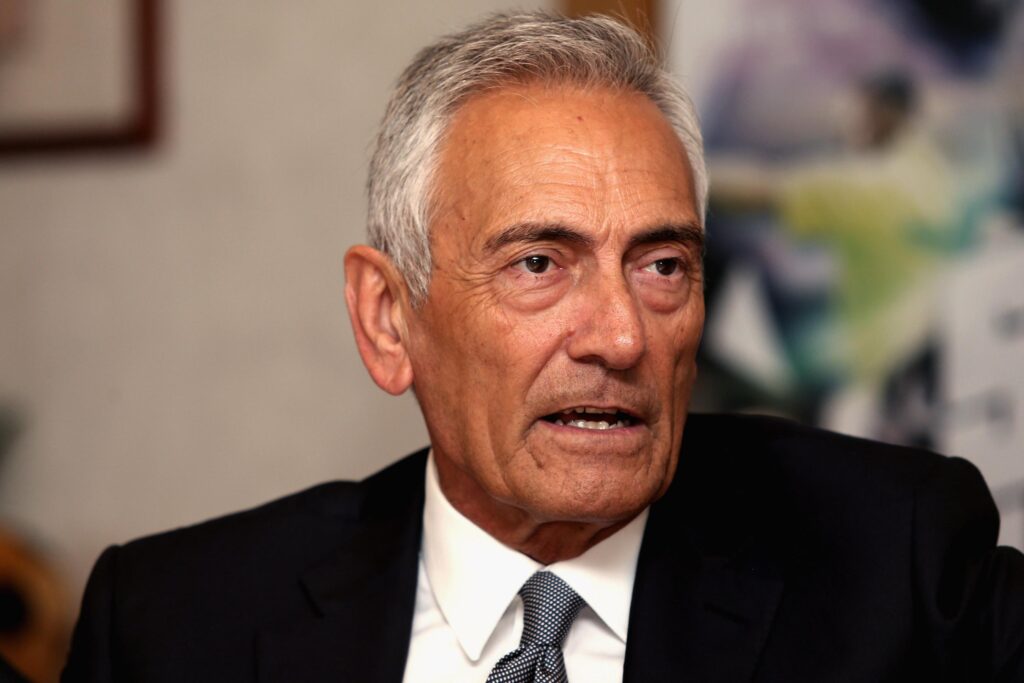

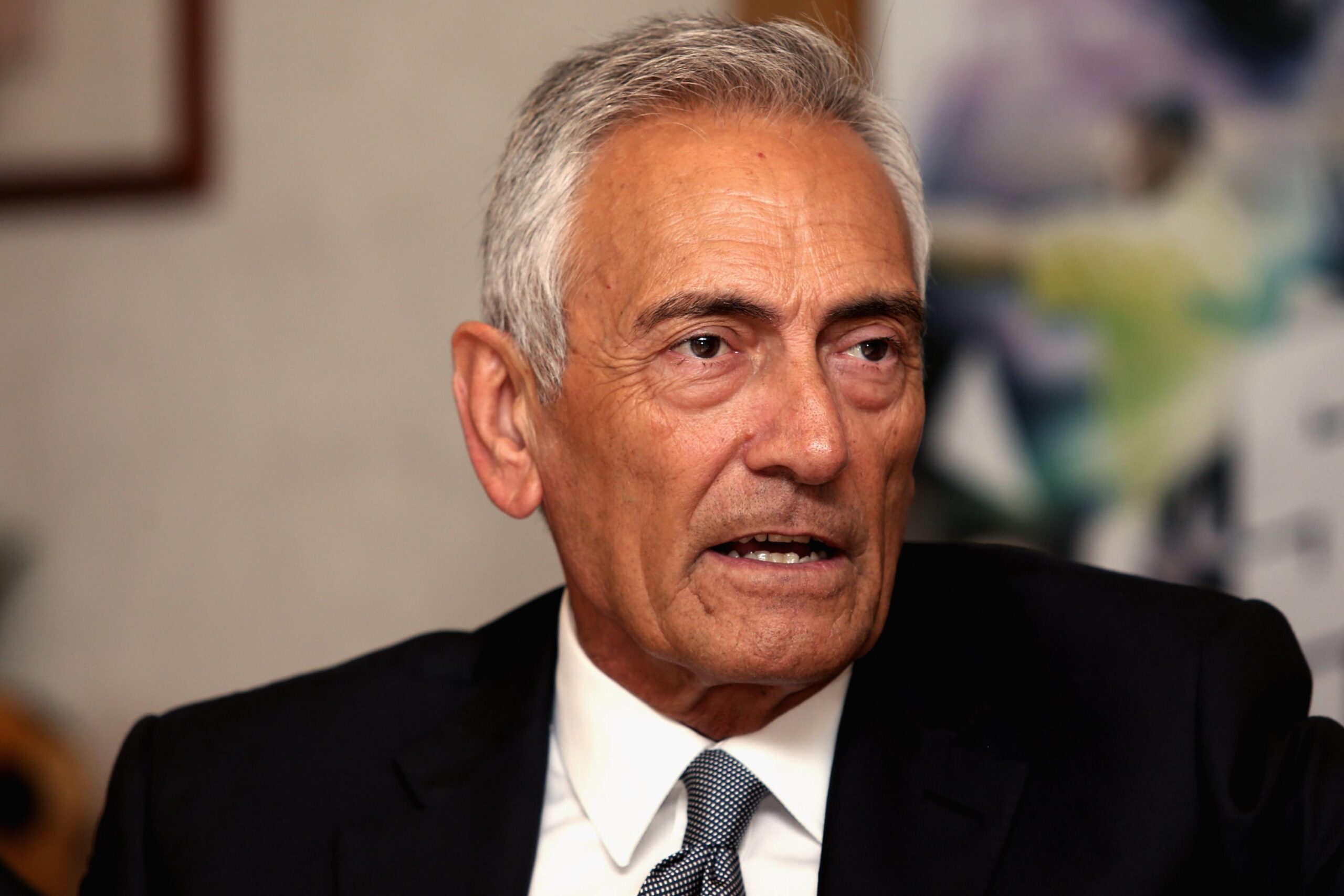
Following Italy’s failure to qualify for the World Cup for a third consecutive time, FIGC president Gabriele Gravina has stepped down amid mounting pressure.
Gravina arrived at the federation’s headquarters in Rome earlier in the day, where a key board meeting was held in the afternoon to address the situation.
Originally planned as a review of the recent defeat to Bosnia, the meeting quickly evolved into a decisive discussion over the future of the federation’s leadership.
During talks with representatives from Serie A, Serie B and Lega Pro, Gravina confirmed his decision to resign.
His departure brings an end to a tenure that began in 2018, marking the start of a new phase for Italian football governance.
A scheduled federal council meeting next week has been cancelled, with elections for new leadership positions now set to take place in Rome on June 22.
The Italian Football Federation confirmed that a meeting was held at its headquarters in Rome between president Gabriele Gravina and key representatives from across the game.
At the beginning of the meeting, Gravina informed officials from Serie A, Serie B, Lega Pro, the National Amateur League, the Italian Footballers’ Association and the Italian Football Coaches’ Association that he had decided to step down from his role. He also announced that an Extraordinary Elective Assembly will be held in Rome on June 22 to appoint new leadership.
The date has been set in accordance with federation rules, ensuring there is sufficient time for the new administration to complete registration processes ahead of the upcoming professional season.
Gravina also expressed his gratitude to members of the federation for their support, both publicly and privately, and confirmed his willingness to appear before the Chamber of Deputies’ Committee on Culture, Science and Education on April 8 to present a detailed report on the state of Italian football.
During that session, he is expected to outline both the strengths and weaknesses of the sport, while also addressing topics raised following the national team’s recent match in Zenica.
Gravina further clarified remarks he had made regarding differences between amateur and professional football, stressing they were not intended to offend but rather to highlight structural and regulatory distinctions between the two levels of the game.
Meanwhile, former Italy goalkeeper Gianluigi Buffon, a member of the country’s 2006 World Cup-winning squad, confirmed he will also step away from his role.
In a post on Instagram, Buffon revealed he had initially offered to resign following the defeat to Bosnia but was asked to reconsider. However, after Gravina’s decision to step down, he chose to follow suit.
“Now that president Gravina has decided to step back, I feel it is my responsibility to do the same,” Buffon wrote.
Gravina acknowledged the disappointment of failing to qualify for the World Cup despite what he described as strong efforts built on a shared spirit with Rino Gattuso and his staff.
“Even with the sincere conviction that we built something meaningful on a team and group level with Rino Gattuso and all the collaborators in a short time with the national team, the main objective was to bring Italy back to the World Cup,” he said. “We did not succeed. It is right to allow those who come after us the freedom to choose the person they believe is best suited to take on my role.”
Gravina also faced significant criticism over remarks made after Italy’s defeat to Bosnia, when he was asked why the country excels in other sports but not in football.
In his response, Gravina described football as a professional sport, while other disciplines were referred to as amateur, comments that sparked backlash across social media and among Italian athletes.
Olympic bronze medallist Irma Testa, the first female boxer to represent Italy at the Olympics, responded on Instagram by stating, “we are the real professionals.” In Thursday’s official statement, the FIGC said Gravina expressed regret over how his comments were interpreted.
He clarified that his remarks were intended to highlight structural differences within sports federations, including the autonomy of certain leagues and the corporate nature of professional clubs, which must comply with both national and international regulations.
Following the resignations of Gravina and Gianluigi Buffon, uncertainty now surrounds Italy manager Gennaro Gattuso, whose contract is set to expire in June. Media reports have linked Antonio Conte and Massimiliano Allegri as potential candidates to replace him.
Share this content: