How Xabi Alonso’s Real Madrid career took a downturn

Xabi Alonso’s tenure as Real Madrid coach came to an abrupt end on Monday, lasting less than eight months, as the club confirmed the Spaniard would depart from the Spanish giants.
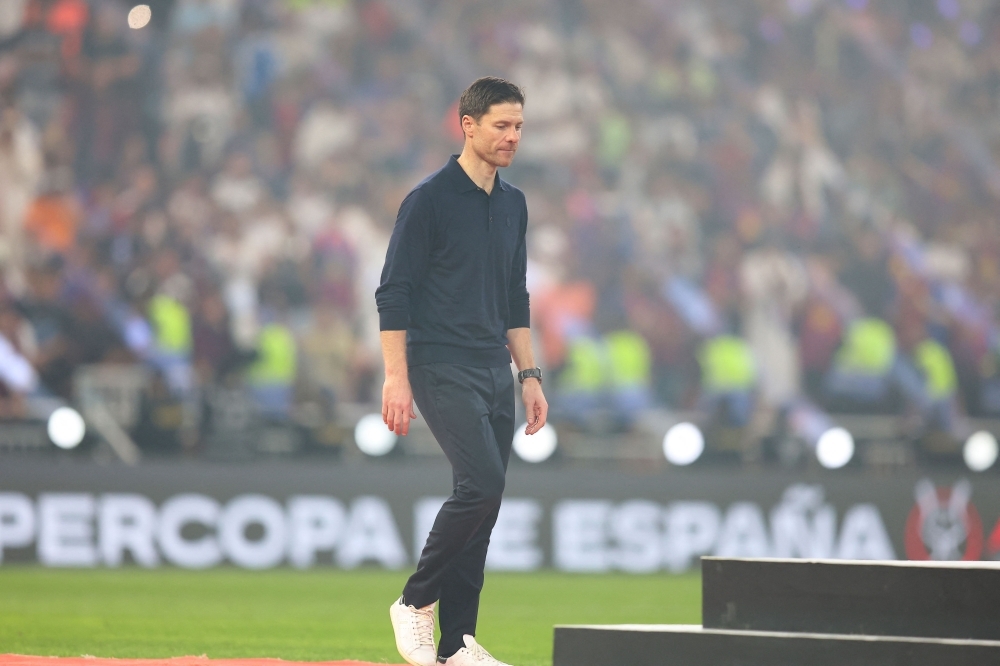
The former midfield maestro had arrived at the Bernabéu with high hopes of revitalising Madrid with his cerebral, tactically astute approach. However, results and performances rarely lived up to expectations, leaving the team looking much as it did last season—when they ended trophyless. The Catalan side’s 3-2 victory over Madrid in Sunday’s Spanish Super Cup final only underscored the struggles.
Sitting four points behind La Liga leaders Barcelona and in seventh place in their Champions League group, Real president Florentino Pérez acted decisively, replacing Alonso with reserve-team coach Álvaro Arbeloa.
The axe had been hovering for weeks, with Alonso’s position only spared temporarily by a brief run of five wins before the Saudi Arabian Clasico. The Basque coach, who earned plaudits at Bayer Leverkusen after leading the team to an undefeated Bundesliga title in 2024, arrived with dreams of emulating the successes of Carlo Ancelotti and Zinedine Zidane.
Yet Alonso’s early dismissal places him in the company of other short-lived Real Madrid managers, such as Rafa Benítez and Julen Lopetegui. Ambitions of a refreshed midfield—following the departures of Luka Modric and Toni Kroos—never materialised, leaving him to navigate a squad dominated by established stars.
The early season showed glimpses of promise, particularly at the Club World Cup, despite a heavy 4-0 semi-final defeat to Paris Saint-Germain. But cracks soon appeared. Alonso’s heavy rotation frustrated key players, notably Vinicius Jr., who reacted angrily to being substituted in a 2-1 La Liga Clasico victory in October. Despite this, Alonso ultimately restored Vinicius’ near-untouchable status, even through a 16-match goal drought that ended only in Jeddah.
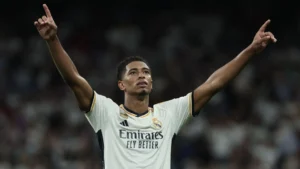
Jude Bellingham became an automatic selection following shoulder surgery, though his form was inconsistent, and promising youngsters like Arda Güler and Franco Mastantuono found their opportunities limited. As the stars returned, some of Alonso’s tactical ideas—including high pressing—gradually faded. A spate of injuries further curtailed his options, forcing a more cautious approach.
Alonso’s occasional victories, including a Clasico win over Barcelona, bought him brief reprieve, but Pérez appeared unconvinced. Despite Kylian Mbappé’s prolific form, the team often lacked cohesion, with too many personalities complicating attacking play.
Early signs of trouble emerged with a 5-2 defeat to Atlético Madrid in September. Even in wins, performances were rarely convincing. Fixture congestion—exacerbated by hosting an NFL match at the Bernabéu—further disrupted rhythm, contributing to poor runs of form, including a home loss to Celta Vigo and a Champions League defeat to Liverpool.
Spanish media reported that Alonso faced an ultimatum: a loss to Manchester City in the Champions League would end his tenure. Despite a 2-1 defeat, Guardiola defended Alonso, highlighting the challenge of managing one of Spain’s giants. A brief recovery followed, but inconsistencies persisted, leaving Pérez ready to act at the first significant misstep.
Ultimately, Barcelona’s recent Clasico triumph provided the trigger. Álvaro Arbeloa, promoted from the reserves and a former Madrid player, now inherits one of football’s most volatile managerial positions, fully aware of the challenges and pressures that lie ahead at the Santiago Bernabéu.
Share this content: