“Four Seasons in One Day” as Cape Epic Queen Stage Pushes Maltese Riders to the Limit
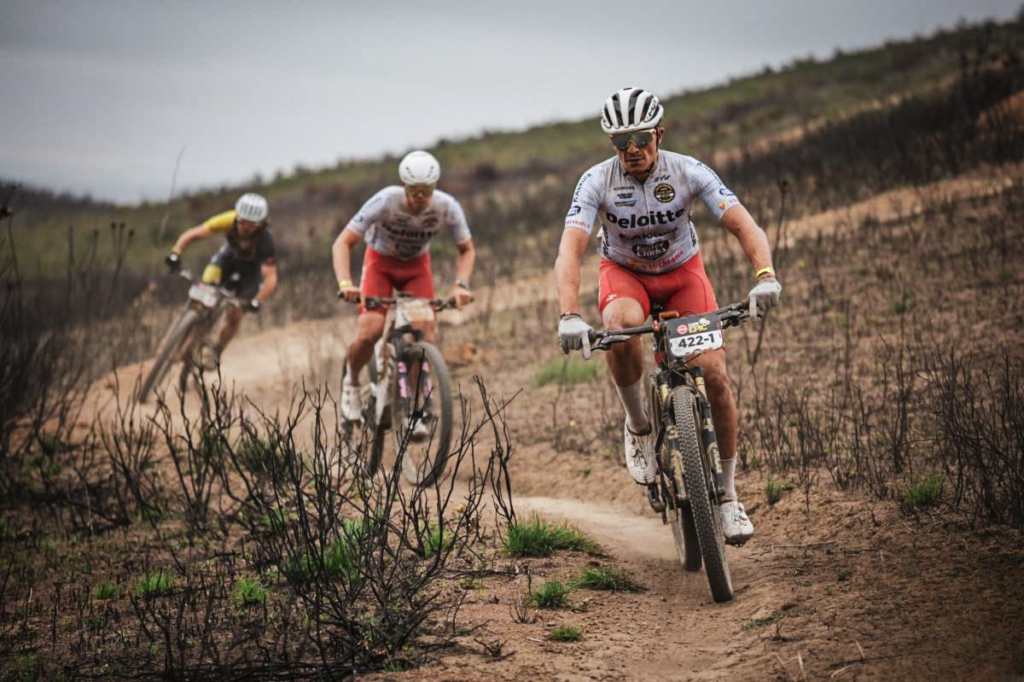

The Absa Cape Epic’s Queen Stage — widely regarded as the true test of the race — lived up to its reputation, delivering one of the most punishing days in recent editions. Stretching from Greyton to Stellenbosch, the stage combined extreme distance with relentless climbing, immediately setting a brutal tone.
As predicted by Team Gaudos rider Stephen Grima, the stage proved unforgiving from start to finish. Riders tackled a demanding network of trails before facing the historic portage down Gantouw Pass, a section that tested both physical strength and technical control. Any relief on the descent was short-lived, with the gruelling climb up Lourensford Nek in the Helderberg basin providing a final and decisive challenge.
Team Gaudos (Stephen Grima and Brandon Sultana) were the first Maltese riders to cross the line, producing a strong and composed performance on the toughest stage of the race. Despite suffering an early puncture, the duo found their rhythm and made steady progress, even overtaking Epic Team Deloitte around the 50km mark. However, the intensity of the stage took its toll in the closing kilometres, where nutrition issues affected their pace. Still, they showed resilience to complete a stage that fully lived up to its “Queen Stage” status.
“Over the last two days we’ve reminded ourselves to stay grounded — not to let setbacks affect us, but to take each challenge as it comes. Anything can happen out there, and you just have to stay mentally strong and focused,” Grima said.
Epic Team Deloitte (Mark Bonnici and Luke Borg) endured a particularly difficult day, battling harsh conditions, mechanical problems and physical setbacks across a stage featuring 2,750 metres of climbing. Borg described it as “one of the hardest days I’ve had on the mountain bike,” pointing to rapidly changing weather — “four seasons in one day” — as well as a crash that required medical attention and disrupted their rhythm.
Further complications arose with a back brake issue, costing the team valuable time, while restarting in cold conditions made it difficult to regain momentum. Nutrition challenges and limited supplies at feed stations added to the struggle. Bonnici noted that the final 20 kilometres were especially draining, with energy levels depleted as they slipped down the standings. Comparing it to the Hero Dolomites, he remarked that while the Italian race may feature greater elevation, this stage was more punishing overall.
“In my 25 years of racing, this is one of the toughest I’ve experienced,” Bonnici said.
Team Kalamba Racing (Etienne Bonello and Marie Claire Aquilina) also described the stage as a true survival test. Bonello revealed the team faced a series of setbacks, including heavy rain early on, a puncture and a crash that left him with injuries to his shin and knee.
“It was an epic day. We were soaked within the first hour and really felt the cold. The terrain was extremely muddy, the bikes took a beating, and towards the end I even lost my front brake. The final climb up the Nek, after nearly seven hours, was brutal and pushed us to our limits,” he said.
Despite the challenges, the team finished strongly, even launching an attack on a rival in the closing stages. They crossed the line in just over nine hours, maintaining a strong position in the general classification.
With the Queen Stage now behind them, riders enter the final phase of the race. However, with two demanding stages still to come, teams remain aware that fortunes can still change dramatically before the finish.
Share this content: