Explaining Tottenham’s poor form beyond Thomas Frank’s influence

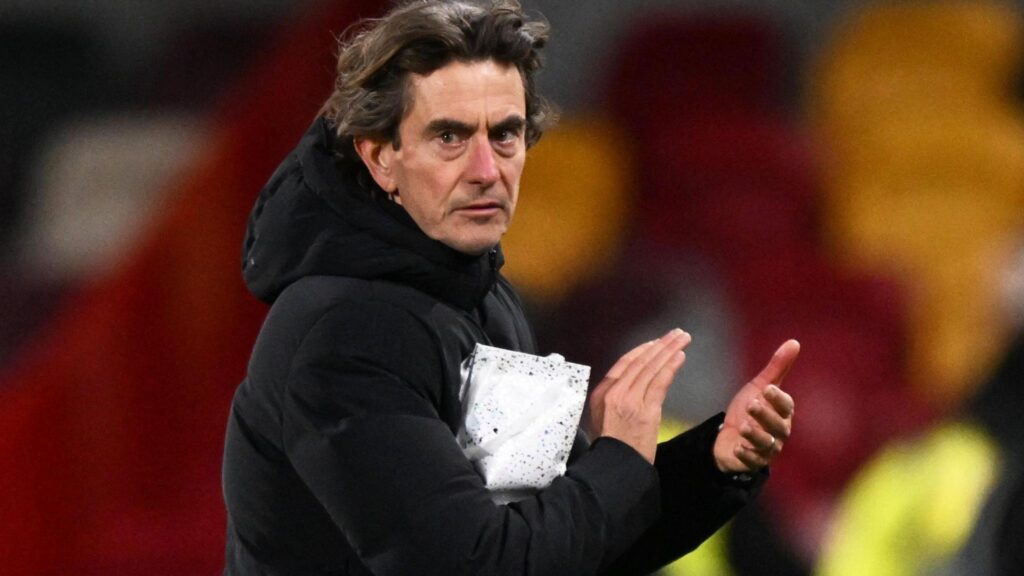
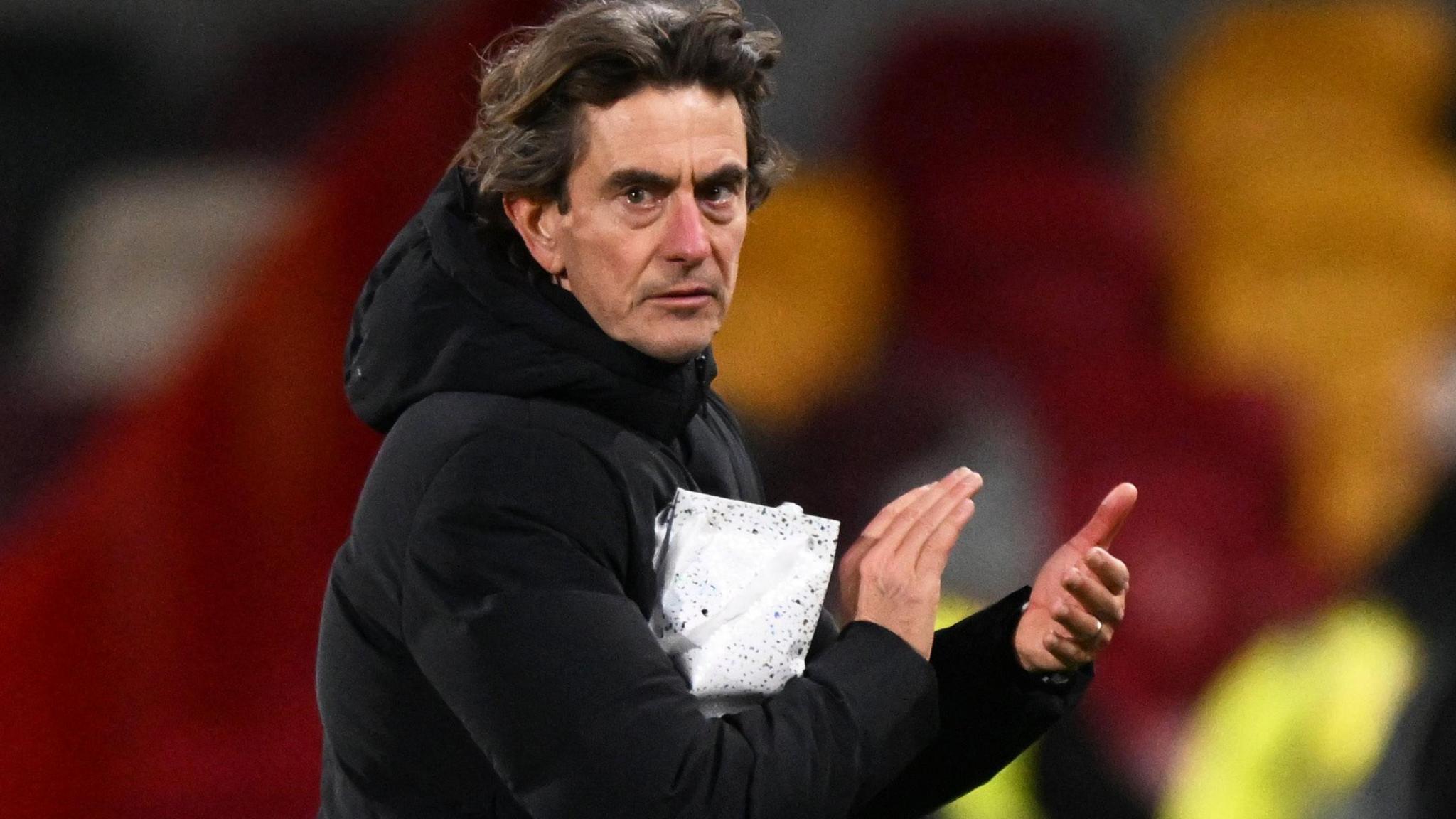
As Tottenham Hotspur prepare for a testing run that includes a Premier League trip to Bournemouth, an FA Cup clash with Aston Villa and a London derby against West Ham, the urgency to collect points in the league is impossible to ignore.
While cup success remains welcome — as last season’s Europa League triumph demonstrated — Thomas Frank’s primary task is to improve Spurs’ domestic standing. League form, not knockout competitions, will ultimately define his tenure.
Four points off fifth, despite the struggles
Tottenham currently sit 13th in the Premier League with 27 points. Although that position appears underwhelming, the wider context offers a degree of perspective. Spurs are comfortably clear of the relegation zone, and given the struggles of West Ham, Burnley and Wolverhampton Wanderers, a relegation battle seems highly unlikely.
More striking is the fact that, despite their inconsistency, Spurs are just four points adrift of fifth place. A short run of positive results could quickly thrust them back into European contention.
Postecoglou’s shadow still looms
Following the departure of Ange Postecoglou — whose tenure was heavily affected by an unprecedented injury crisis — supporters have turned their frustrations toward Frank. Yet, while Postecoglou benefited from a bold, attacking style that often masked deeper issues, Frank has been unable to replicate that same sense of identity.
The sense of disconnection has been visible. One of the season’s defining moments came after a lifeless defeat to Chelsea, when Djed Spence and Micky van de Ven appeared to ignore instructions from the touchline — an image that spoke volumes about the current atmosphere, regardless of the club’s attempts to downplay it.
Recruitment under the spotlight, not just the coach
However, to place the blame solely on Frank risks missing the bigger picture. Much like his predecessor, the Dane may be becoming a convenient fall guy for deeper structural problems at the club.
Sporting director Johan Lange has overseen an extensive and expensive recruitment drive, with deals totalling close to £300 million. Among the signings are Antonin Kinsky, Wilson Odobert, Mathys Tel, Kevin Danso, Archie Gray, Dominic Solanke, Radu Dragusin, Lucas Bergvall and Xavi Simons, alongside several loan arrivals including Randal Kolo Muani and Joao Palhinha.
Despite the scale of investment, few of these players have truly delivered. Injuries — particularly to Solanke — have disrupted continuity, but even allowing for adaptation periods and fitness issues, the return on investment has been underwhelming.
Frank can only work with the tools he’s given
Frank’s defenders will rightly point out that managers are constrained by the squads assembled for them. Adjusting to a new league, culture and tactical environment takes time, but repeated recruitment misfires inevitably place pressure on the head coach.
With Spurs again expected to be active in January, Frank’s influence on incoming transfers must be decisive. Reports linking the club with 19-year-old Santos left-back Souza suggest another gamble — the kind Spurs have made repeatedly, often without reward.
Amorim comments hint at deeper frustration
Frank’s reaction to the sacking of Ruben Amorim at Manchester United — a role he himself had been interviewed for — was revealing.
“It’s very difficult to achieve sustainable success if you keep changing key personnel like the head coach and sporting director,” he said. “If you believe in the people you have, you need to commit to them over the long term.
“Transfer policy has to be collaborative — between the head coach, sporting director and ownership — so everyone is aligned.”
Whether those words were a subtle critique of Spurs’ hierarchy or an appeal for patience from supporters is open to interpretation. What is clear is that head coaches remain the most expendable figures when results falter.
That said, understanding only stretches so far. If Frank is to avoid becoming the next casualty at Tottenham, results must improve — and soon. A positive run over the coming weeks would go a long way toward restoring belief in both the manager and the wider project.
Share this content: