Bayern’s Legends in Charge: Are Rummenigge and Hoeness Still an Asset?
Despite being well past retirement age, Karl-Heinz Rummenigge and Uli Hoeness continue to make public statements about matters at Sabener Strasse. The pair, who now hold more peripheral roles on Bayern Munich’s Supervisory Board, still seem to wield considerable influence over the club. But is their ongoing presence truly beneficial for Bayern?
To explore this, we spoke with former Bayern striker Lars Lunde, who remains in close contact with Hoeness.
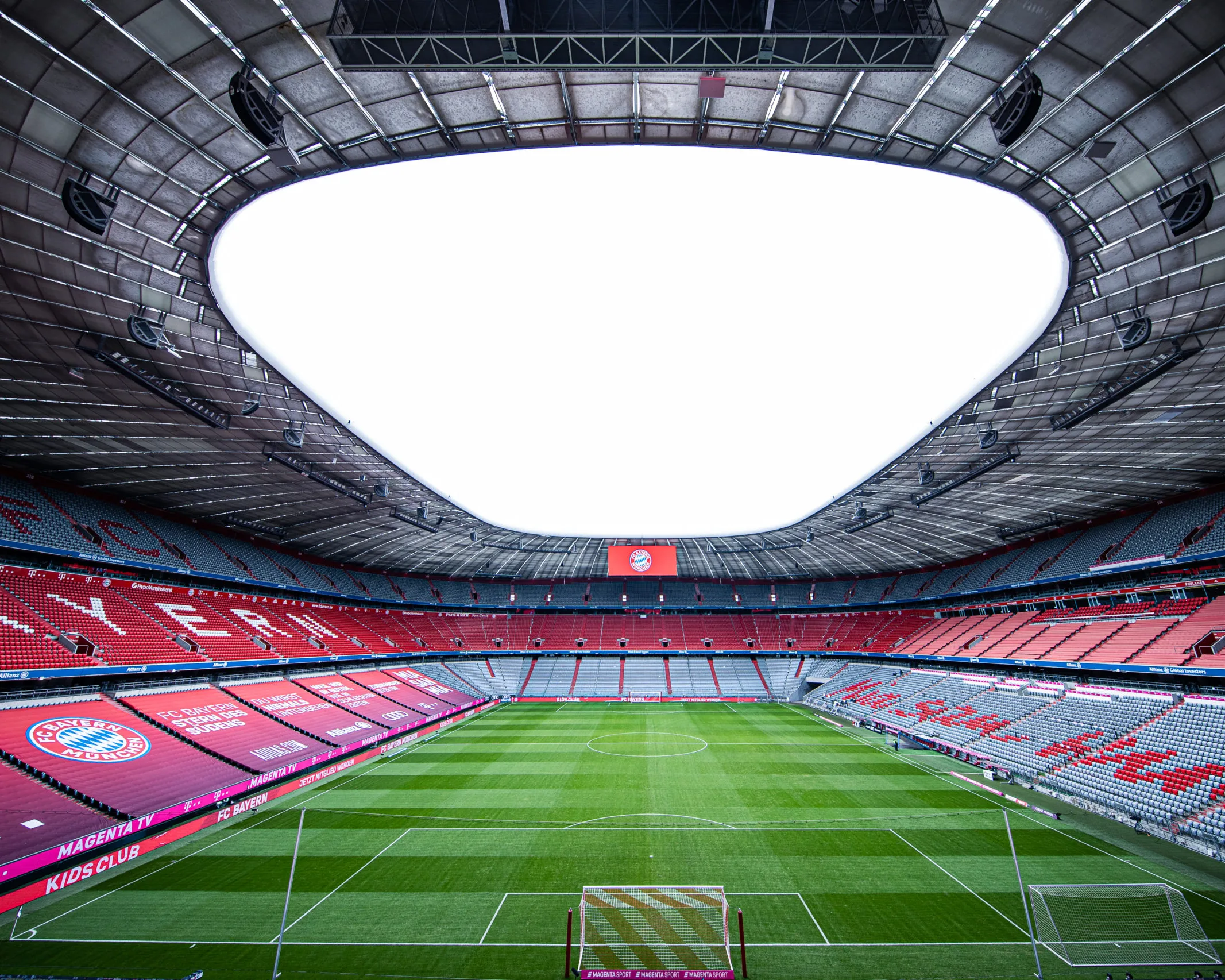
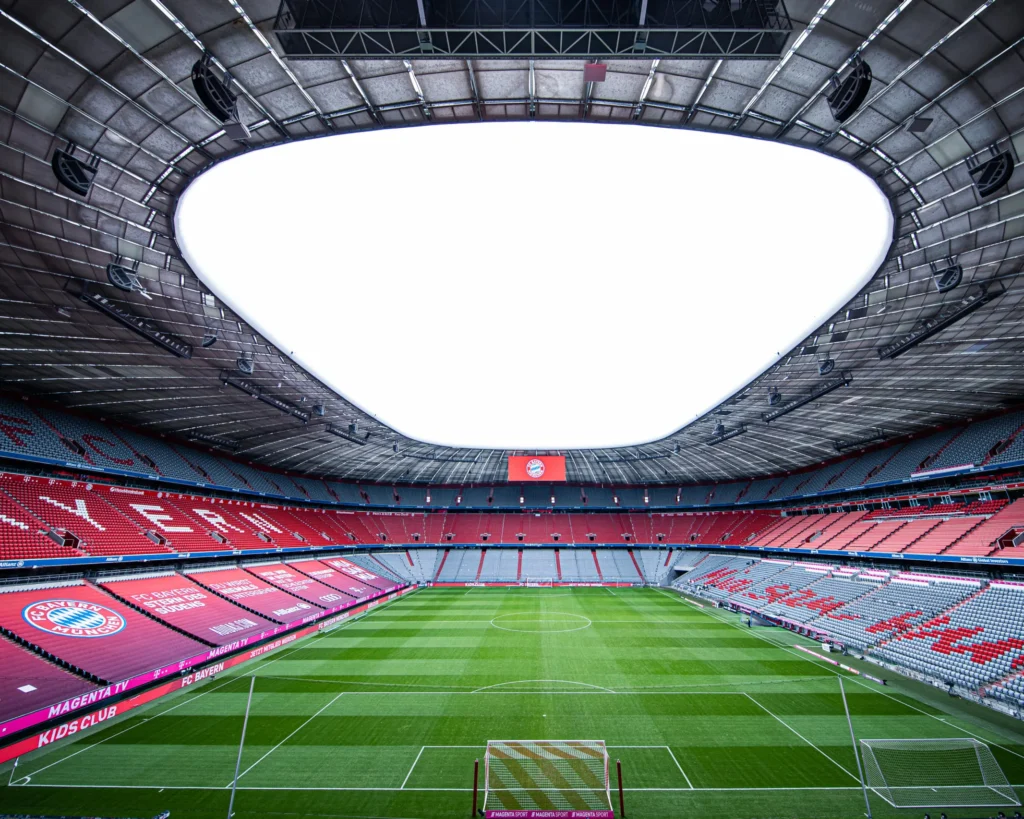
When Bayern host Club Brugge in the Champions League tonight, aiming to maintain their perfect start in the tournament, one thing is certain: it’s not a Bayern match without Rummenigge and Hoeness sitting side by side in the stands. Hoeness will likely wear his traditional red-and-white bar scarf, while the fan chant “Immer vorwärts FC Bayern,” released for the club’s 125th anniversary in February 2025, reverberates through the Allianz Stadium, striking fear into the hearts of visiting teams.
It has been years since the former CEO and president reached retirement age, and officially, the reins of power have shifted to Chairman Herbert Hainer, CEO Jan-Christian Dreesen, and Sporting Director Max Eberl. Yet, sources in Southern Germany insist that Rummenigge and Hoeness remain key decision-makers behind the scenes.
Both men were instrumental in shaping Bayern into the powerhouse it is today. However, recent years have seen criticism suggesting that they may have overstayed their welcome, continuing to influence major club decisions long after stepping down from their executive roles. Speaking to Sport Bild ahead of his 70th birthday, Rummenigge said:
“We will continue this until we feel that everything is 100 percent in order. Unfortunately, it wasn’t 100 percent in order before—that’s a fair point, especially regarding the development of the club’s finances. So when everything is 100 percent in order, we will hand over the keys to our successors. I still believe the club doesn’t need fewer Uli Hoeneß, but more.”
For former Danish international Lars Lunde, who played at Bayern in the mid-1980s, the idea of Bayern without Hoeness and Rummenigge is unthinkable.
“As long as they are alive, nothing happens in the club without their knowledge. You just have to accept that, and I think it’s good because with their experience, it would be completely insane not to involve them in decisions,” Lunde told Flashscore.dk.
“You can’t buy the experience they have; it’s worth its weight in gold for the club. I have no doubt it’s the two of them who make the final decisions, even if on paper their roles are more peripheral. Experience and club spirit—that’s invaluable. Hoeness and ‘Rumme’ combine extensive football knowledge with sharp business acumen, which is rare.”
Lunde also praised the culture Rummenigge and Hoeness instilled at Bayern: a culture of honest, direct debate, something he says is largely missing in broader German society. Rummenigge has noted that modern approaches often shy away from confrontation, contrasting sharply with the frank style he employed in negotiations.
“Harmony is always good, but a culture of debate is an important asset. When I argued with Uli, one time even the carpenter had to come and reinstall the door frame,” Rummenigge once told Die Welt.
Critics have labeled the duo “dinosaurs” in a business environment that favors diplomacy, but Lunde feels Hoeness is often misunderstood.
“Hoeness always speaks his mind, even if it’s inconvenient. He says what others think but don’t say, which is essential for a club like Bayern. The media often distorts his statements, making him seem harsher than he really is. In reality, he’s a warm person who would gladly help a former player, even if you called him at midnight for advice,” Lunde explained.
A looming question remains: who will carry on the legacy of Rummenigge and Hoeness when the time comes? Bayern has a tradition of entrusting former players with responsibility—such as Oliver Kahn—but not everyone is suited for such a role.
“There’s no chance Lothar Matthäus will ever take a position—he’s said too many unwise things about Bayern in the past. I could see Bastian Schweinsteiger or Thomas Müller stepping in when their careers are over. Perhaps Philipp Lahm too, but I believe more in the other two. However, they must understand it’s a 24-hour job and very different from being a player; settling into that role is a big question,” Lunde concluded.
Tonight, Bayern Munich, with Rummenigge and Hoeness almost certainly in the stands, will welcome Club Brugge to the Allianz Stadium at 21:00 CET.

Share this content: