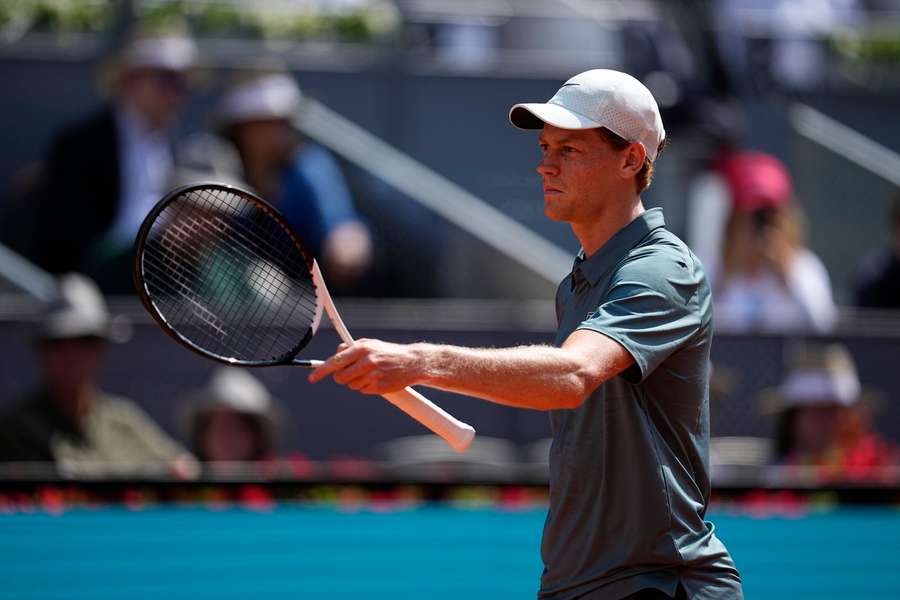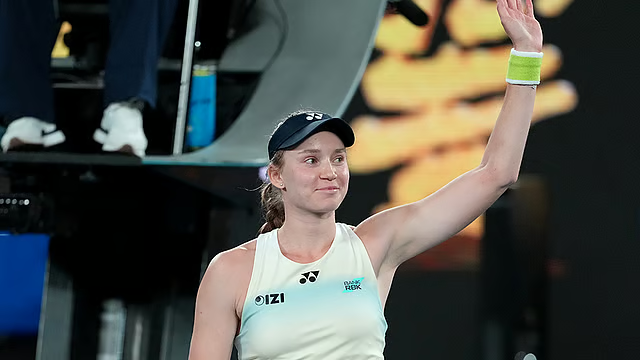
Carlos Alcaraz vs. Jannik Sinner: Redefining modern sporting rivalries


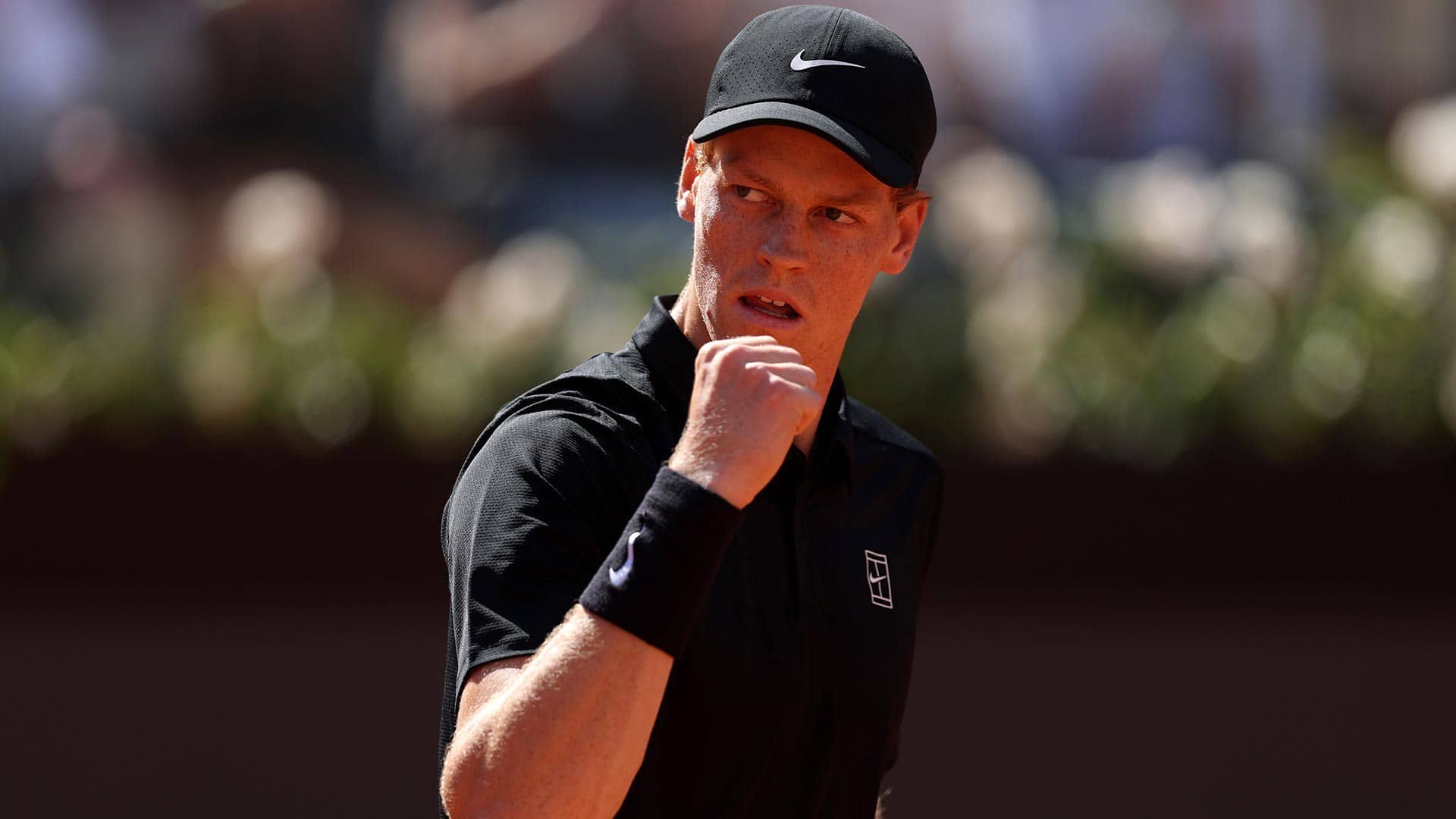
Spain’s Carlos Alcaraz and Italy’s Jannik Sinner are widely regarded as the two best tennis players of their generation, setting new standards both on and off the court. Their rivalry, while intense, has become a model of mutual respect in an era where sportsmanship is increasingly in the spotlight.
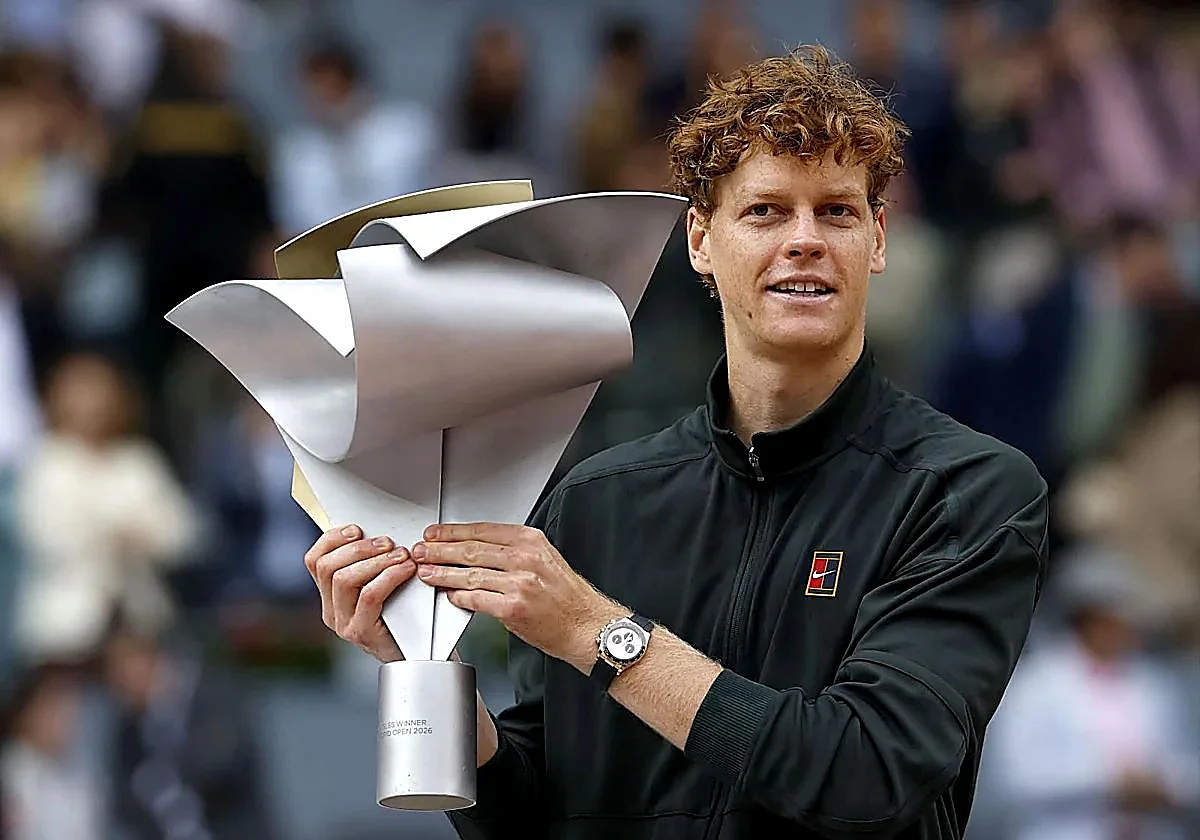
In the most recent ATP Finals, Sinner triumphed over Alcaraz on home soil in Turin, lifting the trophy before a euphoric crowd. Alcaraz, 22 and the current world No. 1, showed remarkable grace in defeat, despite playing through what appeared to be a hamstring injury.
“I felt something in my hamstring after trying to reach one serve,” Alcaraz explained after the match. “I could say it didn’t affect me too much because I could run well and get to the balls. Those thoughts were in my mind sometimes, but I could play well.” His composure dashed any suggestion that the injury was an excuse.
Even in defeat, the crowd honored Alcaraz, serenading him in a touching display of appreciation. Sinner, 24, watched with a smile, genuinely pleased for the competitor widely seen as his fiercest rival.
Alcaraz and Sinner’s dynamic is unique: fierce competitors on court, yet kindred spirits in respect and camaraderie. Their relationship contrasts sharply with the history of tennis rivalries. Legends like John McEnroe, Nick Kyrgios, Gael Monfils, and at times Stefanos Tsitsipas built their reputations on fiery, unpredictable personalities. Even Novak Djokovic, who shows respect for some rivals, has famously said that friendship with Rafael Nadal and Roger Federer was “impossible.”
Yet Nadal and Federer themselves pioneered the idea of the ‘friendly rival,’ blending public respect with genuine warmth—an ethos that Alcaraz and Sinner continue today. In a media-driven era, where appearances can be polished for cameras, the authenticity of their mutual admiration stands out.
Beyond Tennis
This shift isn’t limited to tennis. In football, previous rivalries—Cristiano Ronaldo vs. Zlatan Ibrahimovic, Roy Keane vs. Patrick Vieira, Alan Shearer vs. Eric Cantona—often carried real animosity. Even the iconic Messi-Ronaldo rivalry, marked by mutual respect, lacked friendship.
Modern stars, however, are noticeably more cordial. Erling Haaland and Kylian Mbappe openly praise each other, and England’s current generation—Jude Bellingham, Phil Foden, Bukayo Saka, Declan Rice, and Harry Kane—maintain healthy relationships despite club rivalries, a stark contrast to the clique-driven ‘golden generation’ of Steven Gerrard, Wayne Rooney, and John Terry.
Across sports, Alcaraz and Sinner exemplify a broader trend: fierce competition does not require animosity. In the modern sporting world, athletes can push each other to their limits while remaining allies—proof that rivalry and respect can coexist at the highest level.
Share this content: