Djokovic Says Sinner’s Doping Controversy Could Affect Him for Career
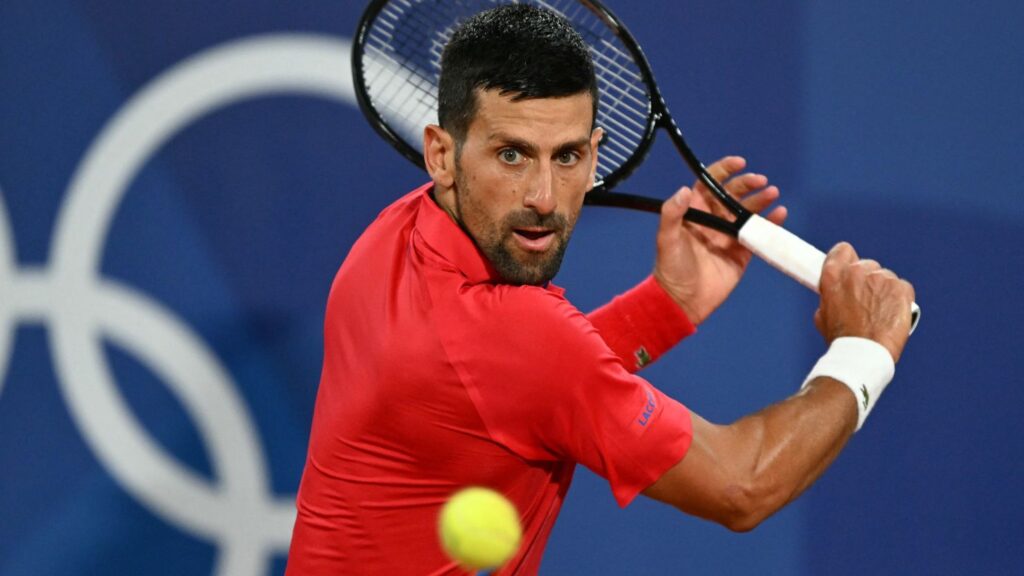

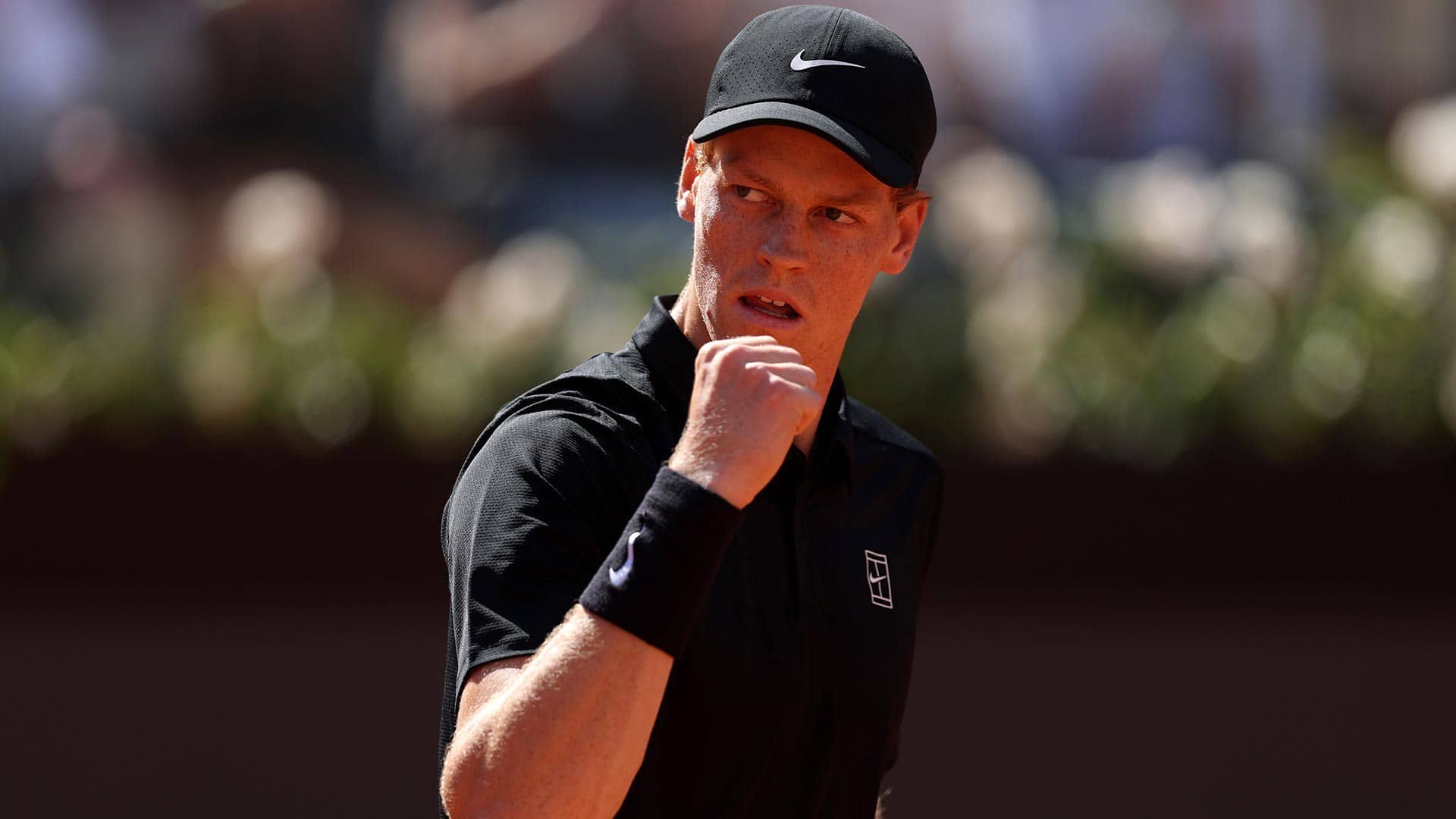
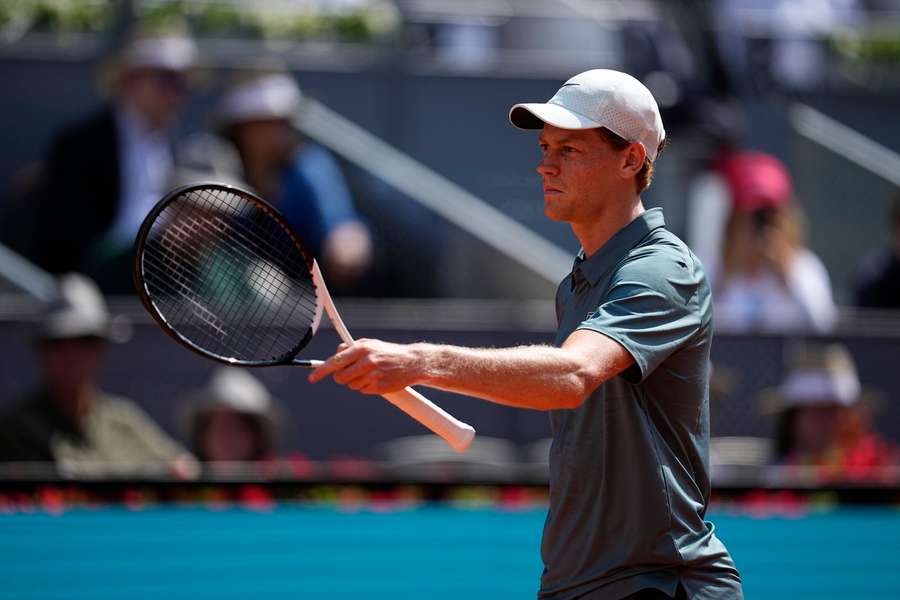
Novak Djokovic has said the timing and short length of Jannik Sinner’s ban for an inadvertent doping violation was “odd” and predicted that the controversy will linger over the Italian star for the rest of his career.
Sinner served a three-month suspension following a settlement with the World Anti-Doping Agency (WADA) in February, after authorities accepted that the anabolic agent clostebol entered his system unintentionally through massages from his physiotherapist at Indian Wells in March 2024.
Djokovic stressed he did not believe Sinner acted deliberately but suggested the perceived discrepancy between how Sinner was treated versus lesser-known athletes will remain a point of discussion — similar to how Djokovic’s own 2022 Australian deportation over his refusal to take a COVID-19 vaccine continues to be remembered.
“That cloud will follow him, just as the cloud of COVID will follow me, for the rest of his, or my career in this case,” Djokovic told Piers Morgan.
“It was such a major issue. Over time, it will fade, but I don’t think it will disappear. There will always be a certain group of people who try to bring it forward.”
Djokovic also questioned the handling of Sinner’s case, noting the Italian was allowed to return in May without missing any Grand Slams. The International Tennis Integrity Agency (ITIA) has maintained that all cases are decided based on facts and evidence, not a player’s ranking, nationality, or name.
“There is a lack of transparency, inconsistency, and the convenience of the ban coming between the Slams so he doesn’t miss the others — it was very, very odd,” Djokovic said.
“I really didn’t like how the case was handled. You could hear many other players, both male and female, with similar situations, complaining in the media about what seemed like preferential treatment.”
Share this content: