Lukas Podolski reflects on special spell at FC Köln and playing under Arsène Wenger

From a teenage sensation at to lifting the World Cup and playing under some of the game’s most respected coaches, Lukas Podolski has crafted a career few could rival. In the second part of our interview, the 2014 world champion reflects on loyalty, lessons learned — and one transfer he now considers a mistake.
Now 40 and still playing for Górnik Zabrze, his boyhood and family club, Podolski’s journey has been defined by silverware and sentiment. He won league titles in Germany and Turkey and reached the pinnacle of international football with Germany in 2014. Yet for all the trophies, family and loyalty remain central themes.
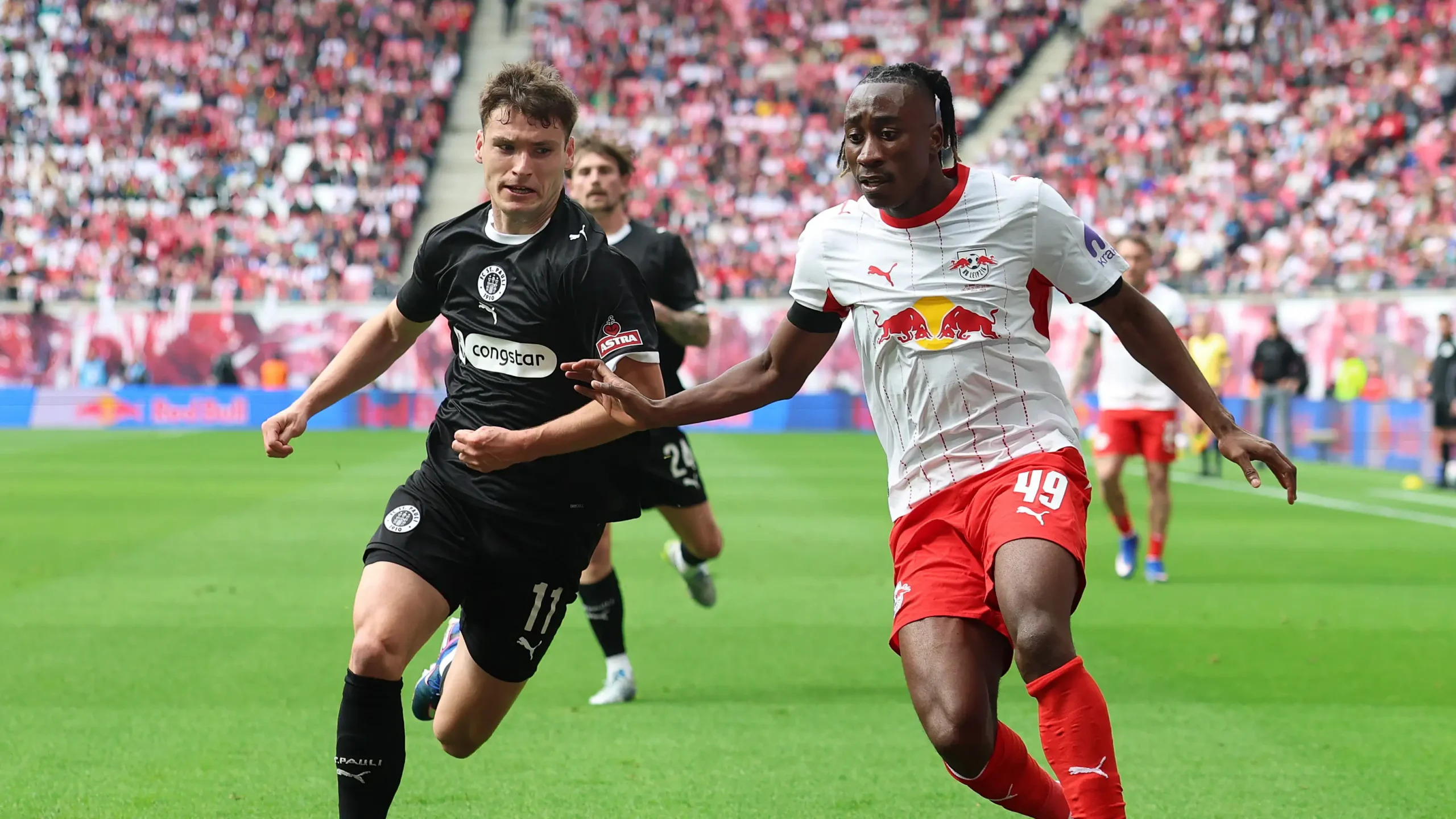
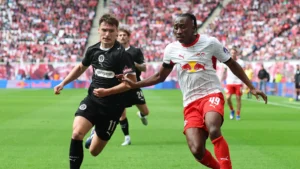
Those values were forged early in Cologne. Podolski joined Köln’s academy in 1995 at the age of 10 and made his senior debut in 2003 after eight years in the youth ranks. His first season ended in relegation, but the teenager’s impact was undeniable: 10 goals in 19 games — a record for a player his age at the club that stood until Florian Wirtz emerged years later at Bayer 04 Leverkusen.
Despite widespread interest from across Europe, Podolski chose to stay.
“FC Köln is something special,” he said. “I joined this club in ’95 when I was 10 in the youth academy.
“I stayed because I was not ready for another stage and I wanted to stay in Cologne to learn more, to understand football more. We were relegated to the 2. Bundesliga and sometimes in the lower leagues it’s harder than in the first league. It’s more about fighting, more running and more discipline. That’s why I decided to stay.”
Köln are once again battling near the bottom of the Bundesliga, sitting just above the relegation zone after promotion last season. Podolski follows closely and hopes for stability.
“The problem in Köln in the last 30 or 40 years is always up and down,” he explained. “With the city and the club, the potential is huge. My wish is to be stable in the league and then develop the whole club, the academy, the players. But for that, you need to stay in the league and always go one or two steps forward.”
After establishing himself as Köln’s star, a move became inevitable. FC Bayern Munich won the race for his signature, although interest came from England, France and elsewhere in Germany.
“I had Bayern Munich, clubs from England, clubs from France,” Podolski recalled. “I decided to move to Bayern, the biggest club in Germany, and looking back I think it was a good decision.
“At that time it was not normal that young players were leading in German football. In training, you had 23 or 24 players who all wanted to play. Everyone was a national team player. It gives you something extra.”
He acknowledges that a move abroad at that stage could have taken his career down a different path, but he has no regrets.
“You never know. If I had moved to France or somewhere else, maybe my career would have ended up somewhere different. But I am happy with all the decisions I made.”
Well, almost all.
One move he now questions is his short loan spell at Inter Milan in 2015. Having struggled for consistent minutes at Arsenal FC, Podolski joined Inter in January for the remainder of the season.
“I always say it was a mistake,” he admitted. “Not going to Inter — the mistake was agreeing to a loan for just a couple of months. When the team doesn’t perform, the loan players are the first who are out because you don’t want to keep them.
“A loan for one season, yes. But four-and-a-half months? That didn’t make sense.”
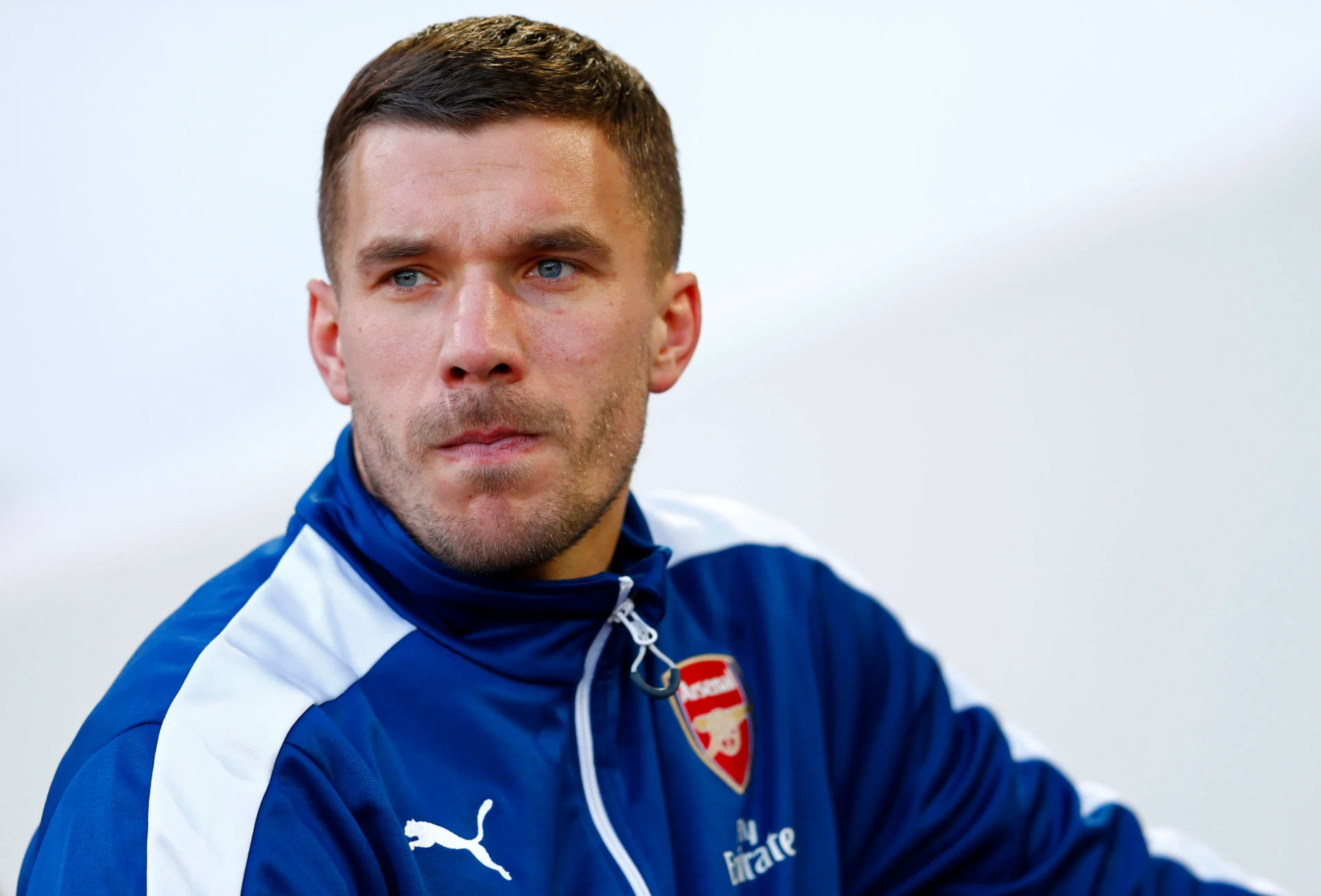
His time in London, however, holds only fond memories — particularly working under Arsène Wenger.
“Off the pitch, he was like a father,” Podolski said. “A great guy. Never shouting, never aggressive. He connected with the players, always kind, always open to talk.
“It was fantastic to meet coaches like Arsène Wenger. You learn from everyone — Wenger, Ottmar Hitzfeld, Jupp Heynckes, Joachim Löw — maybe one day to become that kind of coach.”
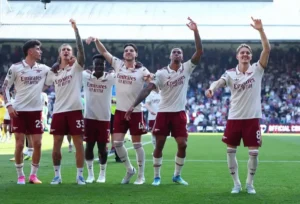
During his Arsenal spell, Podolski also shared the pitch with current Gunners boss Mikel Arteta, and he believes his former teammate has what it takes to deliver major success.
“I felt when I played with him that he had something extra,” Podolski said. “He always spoke with Arsène Wenger after training and games. You could feel he wanted to be a coach. Seeing him now doing a great job is fantastic.”
From Köln to Bayern, from London to Istanbul and beyond, Podolski’s path has rarely been predictable. But through every chapter — triumphant or testing — loyalty, reflection and love for the game have remained constant.
Share this content: