2026 World Cup ticket prices soar on FIFA resale platform

Ticket prices for the 2026 World Cup have surged dramatically on FIFA’s official resale platform, with seats for several matches listed at multiples of their original face value just weeks after the main sales phase concluded in January.
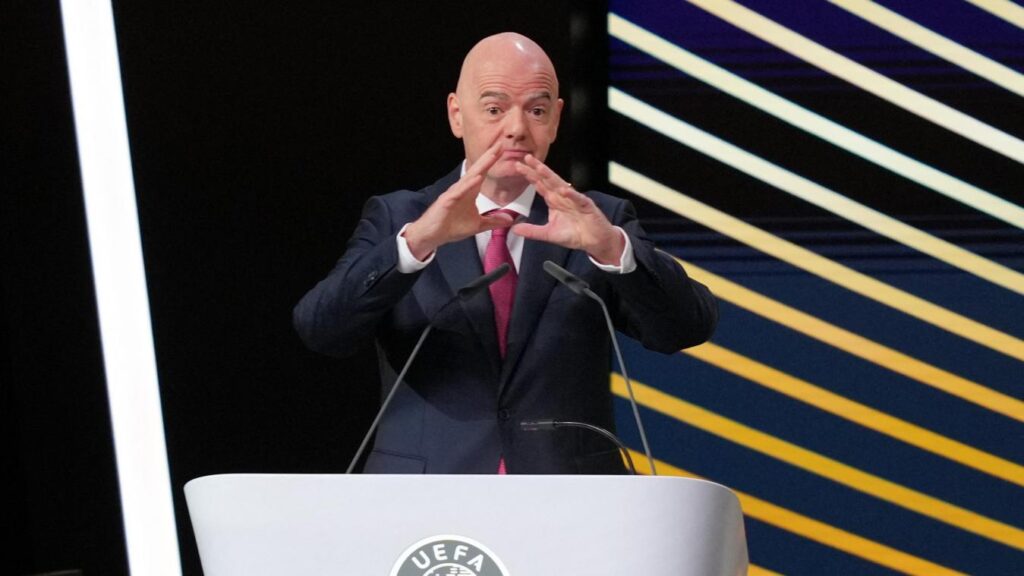
Despite earlier warnings from FIFA president Gianni Infantino that tickets on resale markets would likely carry “exorbitant” price tags, fans have been left stunned by the scale of the mark-ups — including on FIFA’s own sanctioned platform.
As of Wednesday, a Category Three ticket — located in the highest section of the stadium — for the tournament’s opening match between Mexico and South Africa at Mexico City’s Azteca Stadium on June 11 was listed at $5,324. The original face value of that seat was $895.
Even more striking were resale prices for the World Cup final on July 19 at East Rutherford, New Jersey. A Category Three ticket was advertised for $143,750 — more than 41 times its original $3,450 price. The cheapest available ticket for the final on the resale platform stood at $9,775.
There have been isolated instances of prices dipping below face value. One ticket for Austria’s group-stage clash with Jordan at Levi’s Stadium in California was listed at $552, despite originally costing $620. Such cases, however, appear to be rare exceptions.
For many supporters, the soaring resale figures confirm fears raised after December’s tournament draw.
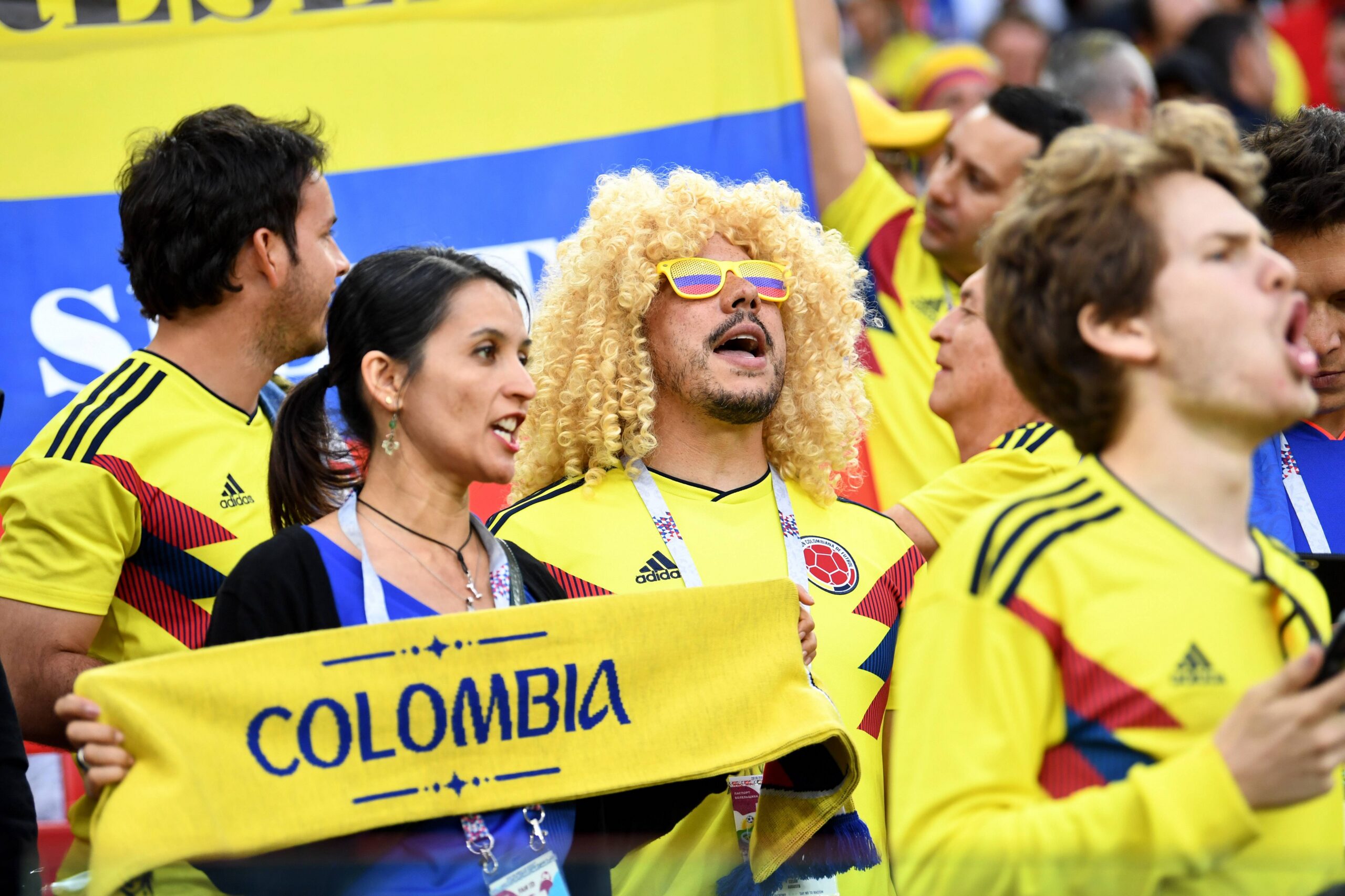
“These exorbitant prices, unfortunately, don’t surprise me,” said Guillaume Aupretre, spokesperson for the France national team supporters’ group Irresistibles Francais, which has nearly 2,500 members. “It reflects what we know and what we fight against: many people buy to resell.
“In the end, who pays the price? The passionate fans who end up with outrageous offers. We would prefer that this benefit real fans who come to support their team, but unfortunately, that’s not the case.”
Demand, however, remains intense. FIFA says it has received around 500 million ticket requests, underlining the global appetite for the expanded 48-team tournament co-hosted by the United States, Canada and Mexico.
While FIFA endorses the resale platform, the governing body stresses in its terms that it acts only as a facilitator in a fan-to-fan marketplace, charging a 15% fee. Sellers are responsible for setting their own prices.
“Generally speaking, the pricing model adopted for FIFA World Cup 26 reflects the existing market practice for major entertainment and sporting events within our hosts on a daily basis, soccer included,” FIFA said in a statement.
“This is also a reflection of the treatment of the secondary market for tickets, which has a distinct legal treatment from that in many other parts of the world. We are focused on ensuring fair access to our game for existing but also prospective fans.”
The resale market is largely unregulated in the United States and Canada. In Mexico, reselling tickets above face value is prohibited, but only when the purchase is made in local currency within the country.
Ticketing has become one of the most contentious issues surrounding the 2026 tournament. Fan organisations such as Football Supporters Europe have accused FIFA of a “monumental betrayal” over pricing structures. In response, FIFA introduced a limited allocation of $60 tickets for official supporters’ groups, though critics argue the measure falls far short of ensuring affordability.
Applicants in the second sales phase, which ended in January, have been notified of their ticket status since February 5. A final “last-minute” sales window will run from April until the end of the tournament on a first-come, first-served basis.
During official sales phases, FIFA applies what it calls “variable pricing,” with prices fluctuating according to demand and availability for each match. However, it maintains that it does not operate a fully dynamic pricing model, noting that prices are not automatically adjusted.
Share this content: