How battling Crystal Palace beat Rayo Vallecano in the Conference League final
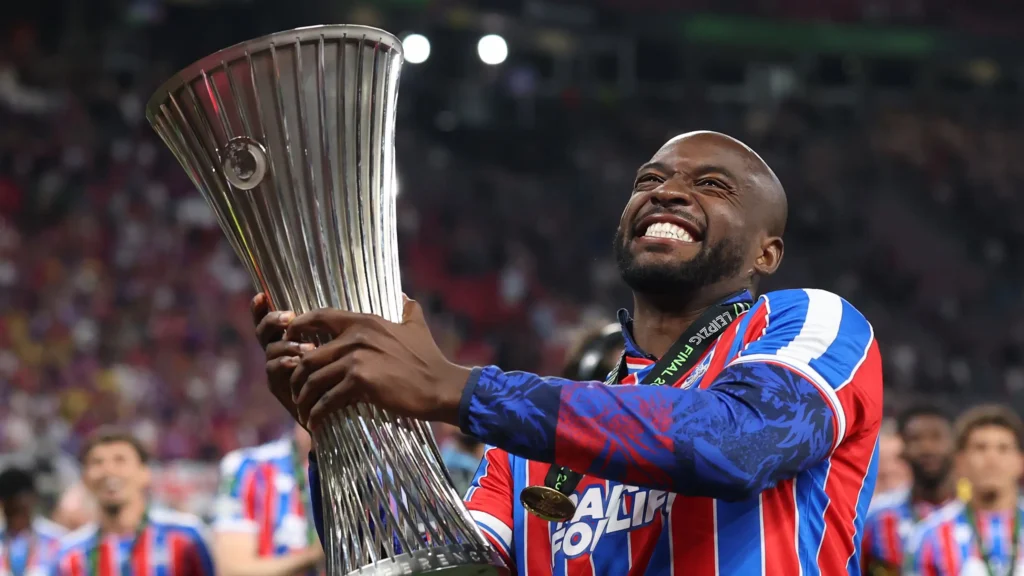

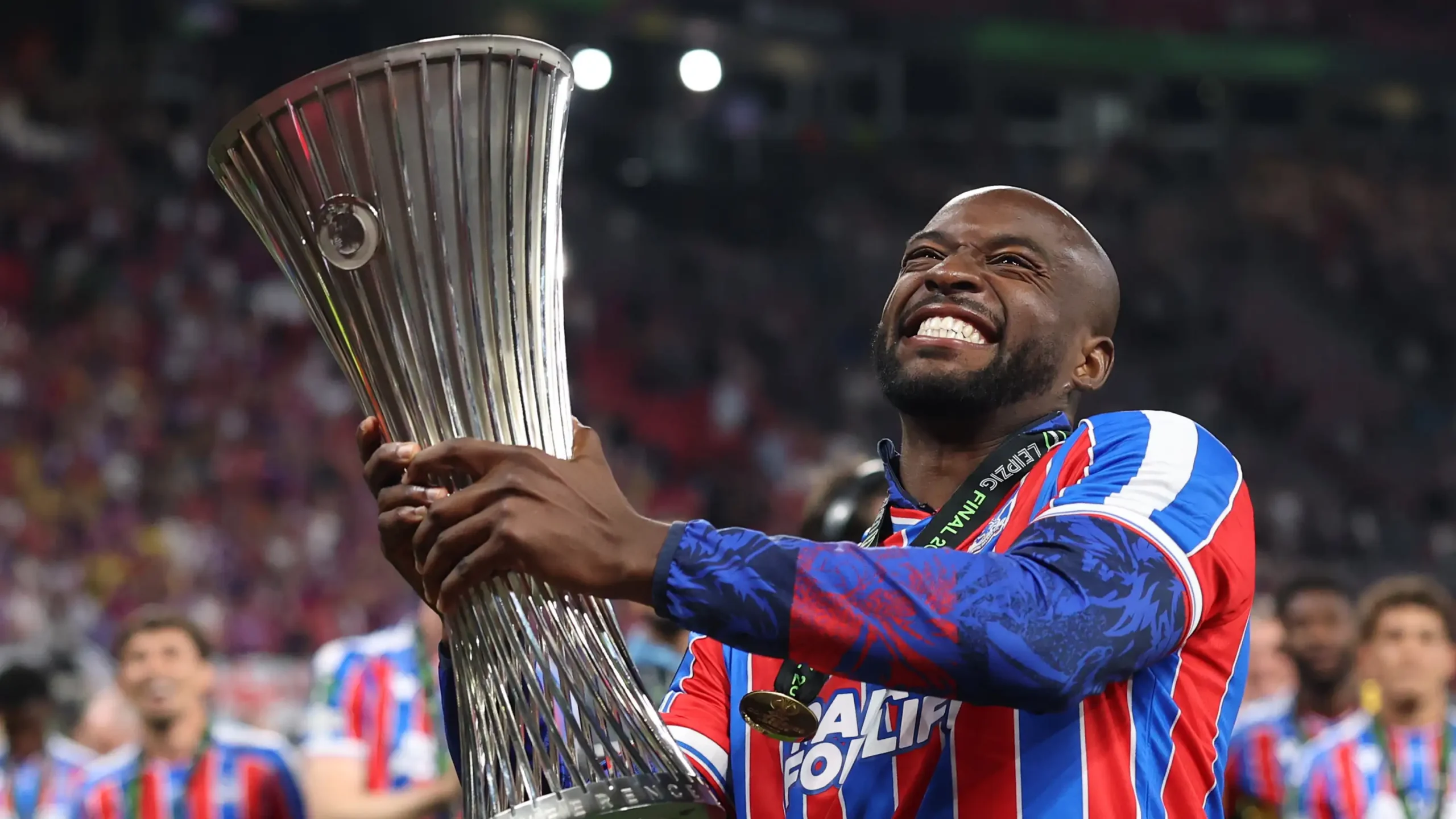
Oliver Glasner’s side’s final attacking effort from Alemao proved to be Rayo Vallecano’s last real chance of the match, and with it, Crystal Palace’s greatest night in history became reality.
For Glasner, the triumph secured more than just silverware. His legacy at the club was sealed by guiding Palace to a historic European title and, crucially, earning qualification for the UEFA Europa League next season.
It also marked a dramatic turnaround from 12 months earlier, when they had been denied a place in the competition—making this achievement a fitting and symbolic final chapter in his tenure.
Following disagreements with the board earlier in the campaign, both parties managed to put their differences aside to finish the season together, but the Austrian coach is now set to depart for a new challenge.
Glasner could hardly have asked for a better farewell, guiding the Eagles to their first major European trophy just over a year after their FA Cup triumph over Manchester City, the success that secured their place in Europe.
The journey since then has been far from smooth. Palace’s drop from the Europa League into the Conference League, along with the departures of Eberechi Eze and Marc Guehi, contributed to a turbulent campaign for the Selhurst Park side. Yet amid the chaos, their Conference League adventure became the club’s source of hope and inspiration.
They came up against a Rayo Vallecano side that entered Wednesday night’s final unbeaten in seven matches and playing an attractive possession-based style under highly rated 38-year-old coach Inigo Perez. Like Glasner, Perez was also overseeing his final game before departing to take charge of Villarreal CF.
Last season’s final had seen a London club from the Premier League, Chelsea, defeat La Liga outfit Real Betis. The question ahead of kick-off was whether history would repeat itself once again.
Palace struggle early on
With an average age of 30.7 in their starting line-up, Rayo’s side carried more experience than their opponents, while Palace were boosted by the return of Adam Wharton following his recent injury setback.
However, that advantage mattered little in the opening stages as Los Franjirrojos dominated possession and dictated the tempo. Rayo controlled 70.2% of the ball during the first eight minutes, leaving Palace pinned back and under pressure early on.
Whenever Palace managed to break forward, Florian Lejeune was repeatedly on hand to snuff out the danger, highlighted by a pair of crucial clearances and a well-timed interception.
For all of their dominance in possession, however, Rayo Vallecano struggled to create genuine opportunities. After 25 minutes, their only meaningful involvement inside the Palace penalty area had been a single touch from Alvaro Garcia.
At the other end, Palace’s main attacking threat, Ismaila Sarr, unleashed his 43rd shot of the Conference League campaign — more than any other player in the competition — but his left-footed attempt was quickly blocked.
Isi Palazon and Pathe Ciss were both booked in quick succession for tactical fouls. The caution was particularly significant for Palazon, whose aggressive style and physical approach are central to his game, forcing him to tread carefully for the remainder of the match.
With four goals in nine Conference League appearances this season, Alemao always looked capable of troubling a Palace defence missing Chris Richards. The Rayo striker nearly opened the scoring after capitalising on an error from Chadi Riad, only to see the chance go begging.
Eagles begin to grow into the game
By the half-hour mark, Maxence Lacroix and Tyrick Mitchell had both maintained a flawless pass-completion rate, a reflection of how Palace were beginning to settle and impose themselves on the contest.
Mitchell, alongside Daichi Kamada and Jaydee Canvot, had also won two of their three individual duels, underlining the determination and intensity shown by the Premier League side.
Yet the fact that neither goalkeeper had been called into action highlighted how scrappy and congested the battle in midfield had become, with clear-cut chances remaining at a premium.
As the interval drew closer, Unai Lopez came close with a powerful strike from distance, while Jorge de Frutos continued to trouble Palace’s reshaped five-man defence with his movement and energy.
At the opposite end, hesitation from Andrei Ratiu nearly proved costly. Tyrick Mitchell dispossessed the defender before meeting the loose ball with a diving header inside the six-yard box, only to watch his effort drift agonisingly wide with Augusto Batalla stranded.
Tyrick Mitchell was again involved early in the second half as Palace emerged from the interval with far greater intent and energy.
Daichi Kamada also started to stamp his authority on the contest, completing 21 of his 25 passes, with 11 of those coming in the attacking third as Palace increasingly pushed Rayo back.
Mateta strikes at the perfect moment
While Adam Wharton kept Pep Chavarria, Florian Lejeune and Pathe Ciss under constant pressure, it was ultimately his powerful effort that changed the game.
Wharton’s driven shot forced Augusto Batalla into a save he could only push into danger, and Jean-Philippe Mateta reacted quickest to slot the rebound into an empty net.
Conceding for the fifth time inside the opening 15 minutes of a Conference League match left Rayo Vallecano reeling and handed the momentum firmly to Palace. Backed by a passionate travelling support, the Eagles surged forward at every opportunity in search of further goals.
Yeremy Pino came agonisingly close to equalising when his superb free-kick struck both posts before bouncing back into play, and the rebound also rattled the woodwork in a remarkable escape for Palace. Moments later, Augusto Batalla denied Jean-Philippe Mateta a second goal with an instinctive save using his shin.
Within just 10 minutes of the restart, Palace had tripled Rayo Vallecano’s totals for both shots and efforts on target, while also improving their dribble success rate to 40%, underlining their growing dominance.
Rayo struggle to respond
As the game moved beyond the hour mark, the Spanish side found themselves under relentless pressure and relied heavily on Andrei Ratiu, Pathe Ciss and Florian Lejeune, each winning three of their four aerial duels to keep Palace at bay.
Rayo’s increasing reliance on hopeful long balls highlighted just how much Inigo Perez had been forced away from his side’s usual possession-based philosophy.
That tactical shift appeared ineffective, particularly with players such as Jorge de Frutos struggling badly in individual battles, winning only one of his 10 duels throughout the match.
Jorge de Frutos eventually found space in behind the Palace defence and fired into the side netting — his first real attempt of the evening. The ease with which he drifted across Palace’s back line would have given Oliver Glasner something to think about during the closing stages.
That chance proved to be De Frutos’ final contribution before he was substituted alongside Alvaro Garcia, meaning Rayo Vallecano’s two leading scorers of the 2025/26 season — both with 12 goals — were withdrawn before the finish.
The tempo remained relentless, with both teams guilty of conceding needless free-kicks in dangerous positions. One such opportunity fell to Isi Palazon with 15 minutes remaining, presenting Rayo with a golden chance to level the score.
However, his wayward strike failed to trouble Dean Henderson, who by that stage had been required to make just a single save all night.
To Rayo’s credit, they mounted a strong late push and increased their overall possession share to 67%, firmly taking control of the ball in the closing minutes. Yet despite their pressure, the Spanish side still managed only one shot on target from Alemao throughout the contest.
The work rate of Chadi Riad, Tyrick Mitchell and Adam Wharton, who between them won possession back on 13 separate occasions, continued to disrupt Rayo Vallecano as the clock ticked down.
Despite that, the “Lightning” kept pushing, and their five attempts after Ismaila Sarr’s last effort in the 64th minute forced a visibly tiring Palace side to dig in defensively.
In stoppage time, Pedro Diaz opted to try his luck from distance rather than pick out teammates who were better positioned inside the box — a decision that summed up Rayo’s frustration in the closing moments.
Oliver Glasner’s side’s final attacking effort from Alemao proved to be Rayo Vallecano’s last real chance of the match, and with it, Crystal Palace’s greatest night in history became reality.
For Glasner, the triumph secured more than just silverware. His legacy at the club was sealed by guiding Palace to a historic European title and, crucially, earning qualification for the UEFA Europa League next season.
It also marked a dramatic turnaround from 12 months earlier, when they had been denied a place in the competition—making this achievement a fitting and symbolic final chapter in his tenure.
Share this content: